
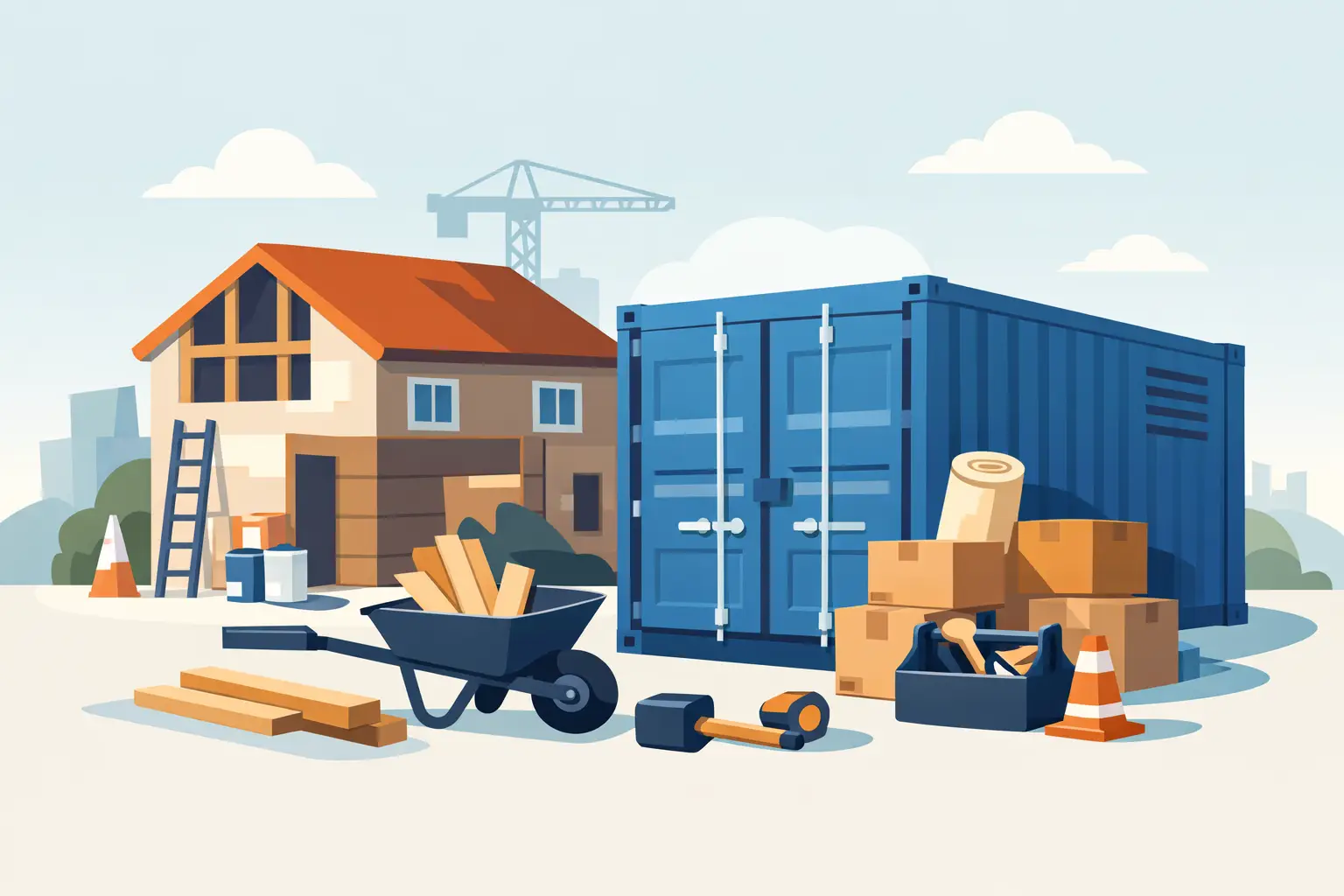
The mess usually starts before the first wall comes down. Furniture gets pushed into hallways, tools pile up in the garage, and suddenly a project that looked manageable feels cramped and chaotic. A renovation storage container solves that problem early by giving you a secure, ground-level place to move things out of the way without sending them across town.
For homeowners, that means less disruption inside the house. For contractors and small business owners, it means fewer delays caused by clutter, weather exposure, or materials scattered across a jobsite. The real value is not just extra space. It is having the right space exactly where the work is happening.
Why a renovation storage container makes the job easier
During a renovation, space turns into a bottleneck fast. Even a modest bathroom or kitchen update can affect multiple rooms once cabinets, flooring, appliances, and furniture start moving around. If those items stay on-site without a clear plan, they tend to get shifted from room to room, which wastes time and increases the chance of damage.
A renovation storage container keeps those items protected and accessible without clogging your living area. You can load it at ground level, pack in stages, and keep it close to the project. That matters more than many people expect. When your belongings, supplies, or equipment are a few steps away instead of across town in a storage facility, daily decisions get simpler.
There is also a cost side to this. Traditional self-storage often looks reasonable at first, but it can add indirect expenses. You may need a rental truck, extra labor, more driving time, and repeated loading and unloading. With a portable container delivered to your property, you load once and use it how the project demands.
What people usually store during a renovation
Most renovation projects create two storage needs at the same time. One is household protection. The other is project organization.
For household protection, people typically move out furniture, rugs, electronics, artwork, seasonal items, and boxes from nearby rooms. Even if the work is limited to one area, dust and traffic often spread farther than expected. Clearing the surrounding space makes the home safer to move through and gives tradespeople room to work.
For project organization, the container can hold flooring, fixtures, tools, trim, supplies, and materials that should stay dry and secure until needed. This is especially useful when deliveries arrive before installation day. Instead of stacking products in a living room or leaving them vulnerable in a garage, you have a dedicated place to keep the job orderly.
That said, what belongs in the container depends on the renovation. A whole-home remodel calls for a different setup than a deck rebuild or office refresh. The best approach is to separate what you need daily from what simply needs protection until the work is done.
On-site storage vs. off-site storage during remodeling
This is where the trade-off really shows.
Off-site storage can make sense if you have no room for a container on your property or if the renovation is so extensive that you want as much cleared away as possible. It can also help when your timeline is long and you do not need regular access to your stored items.
But for many renovation projects, on-site storage is the more practical option. You can load as you go, retrieve items without planning a separate trip, and keep the job moving without added logistics. If a contractor needs access to stored materials or you realize halfway through that you packed something too soon, you are not spending part of the day driving to a facility.
That convenience is a big reason homeowners and contractors prefer portable storage. It keeps the project flexible. Renovations rarely follow a perfect script, so having storage that adapts matters.
How to use a renovation storage container well
The container itself is simple. The difference comes from how you pack and schedule it.
Start by loading the items you are least likely to need during the renovation toward the back. That might include dining room furniture during a kitchen remodel or guest room contents during a flooring project. Keep anything you may need access to closer to the door. Label boxes clearly, not just by room, but by priority. “Primary bedroom decor” is less helpful than “Open first after flooring.”
Use moving pads or protective wrap for furniture and leave a small walkway if possible. In renovation storage, access matters. Containers get frustrating when they are packed like a sealed puzzle and every quick retrieval turns into a full unload.
If you are storing materials, keep them grouped by phase of work. Flooring together, fixtures together, paint and finish materials together. This makes coordination easier for both homeowners and tradespeople. It also reduces the chance of one item being buried under everything else when installation day arrives.
Weather-tight protection matters too, but packing still counts. Use sturdy boxes, keep items off the floor when appropriate, and avoid overstacking fragile pieces. A good container protects your contents, but smart loading protects them even better.
When a renovation storage container is the better choice
Not every project needs one. If you are swapping a vanity in a powder room and finishing in a day, you probably do not need dedicated storage. But once a renovation spreads into multiple rooms, lasts more than a few days, or involves large furniture and material deliveries, a container starts earning its keep.
It is especially useful for kitchen remodels, basement finishing, flooring replacement, home additions, roof work that affects attic storage, and projects where you want to keep living in the home while work continues. In those situations, the issue is not just storage volume. It is preserving some normal function in the middle of disruption.
Contractors can benefit too. Having secure on-site storage reduces tool shuffling between jobs and helps keep supplies organized and protected. For small crews, that can save meaningful time over the course of a project.
What to think about before booking
The first question is placement. You need enough space for delivery and a practical spot that does not interfere with work, parking, or access to the home. Ground-level delivery is a big advantage because it makes loading easier and reduces strain when moving heavier items.
The second question is timing. Some people book storage too late, after the house is already in upheaval. It is easier to load calmly before demolition begins than to react once everything is covered in dust and stacked in random corners.
The third question is rental flexibility. Renovation timelines slip all the time. Materials arrive late. Contractors get delayed. Scope changes happen. A storage plan works best when it can stretch with the project instead of forcing a fixed deadline that adds pressure.
If you are in the Belleville or Quinte area, working with a locally owned and operated company can make that process easier. You are more likely to get direct answers, flexible delivery timing, and support from someone who understands the pace and practical needs of local projects.
Convenience matters more than people think
A lot of people choose storage based on the monthly price alone. That is understandable, but it misses the bigger picture. Renovation stress rarely comes from one major problem. It usually comes from a pile of small inconveniences – blocked rooms, extra trips, lost tools, delayed access, and the feeling that your house no longer works.
A portable renovation storage container helps remove several of those problems at once. You are not renting a truck, loading into a facility, unloading later, then doing it all again when the work is finished. You pack once, on your schedule, and keep the container where it helps most or have it moved to secure storage if the project calls for that.
That is the kind of practicality people remember after the renovation is over. Not the container itself, but the fact that the project felt more controlled.
Storbox Mobile is built around that idea – straightforward delivery, flexible timing, secure containers, and support that keeps the process simple. When your home or jobsite is already in transition, storage should reduce friction, not add to it.
If your renovation is about to take over your space, making room before the work begins is one of the smartest decisions you can make.
