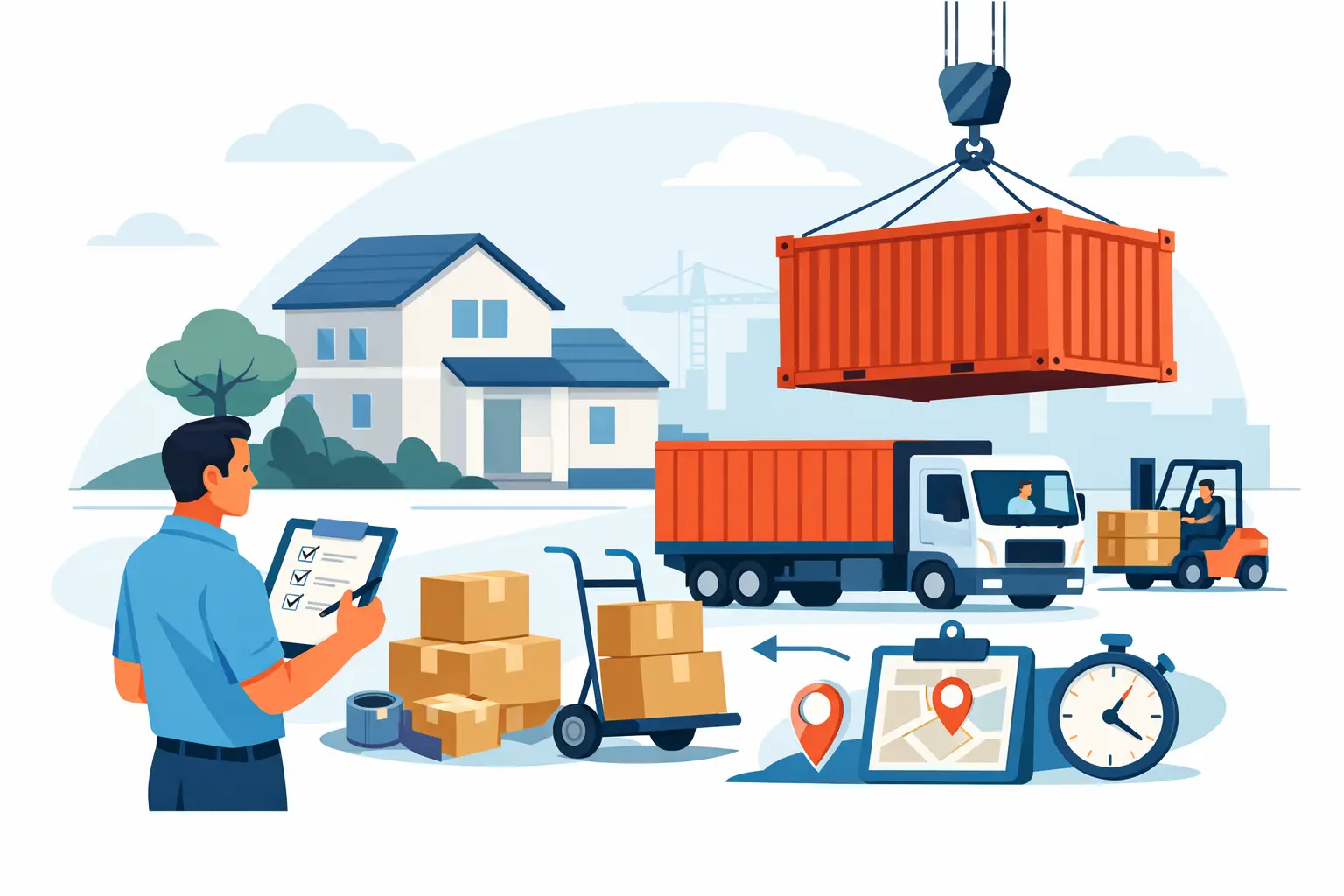
The day your storage container arrives should feel like progress, not a scramble to move cars, clear space, and guess where the driver can safely place it. If you’re figuring out how to prepare for container delivery, the goal is simple: make placement easy, protect your property, and set yourself up for smooth loading from the start.
A portable container takes a lot of the friction out of moving, renovating, or creating extra space. You pack at ground level, on your own schedule, and avoid the usual cycle of loading a truck, unloading it into storage, and doing it all over again later. But the container still needs the right spot and clear access, and a little planning ahead can save you time, stress, and last-minute changes on delivery day.
How to prepare for container delivery before it arrives
Start by choosing the exact placement area before your delivery window. Don’t leave this decision for the driver to make at the curb. Walk your property with the container size in mind and think beyond whether it technically fits. You also want enough room to open the doors fully, move around the unit, and carry items in and out safely.
For a typical 16 x 8 portable storage container, the footprint is only part of the equation. Delivery equipment needs room to maneuver, straighten out, and set the container down level. That means the usable space should feel generous, not tight. A spot that looks fine from the porch can turn into a problem once you account for a truck turning in, backing up, and lowering the unit.
Driveways are usually the simplest option because they offer direct access and a stable surface. That said, not every driveway works equally well. Steep slopes, sharp turns, soft edges, low tree branches, and parked vehicles can all complicate delivery. If the container is going on a commercial lot or a jobsite, the same logic applies. The area should be clear, firm, and easy to approach without squeezing between equipment or materials.
Check access from the street to the drop spot
One of the most overlooked parts of preparing for delivery is the route the truck needs to take, not just the final destination. A narrow gate, low power line, overhanging branch, or tight corner can stop a delivery even when the parking area itself is large enough.
Stand where the truck will enter and trace the path all the way to the placement spot. Look up as well as around. Tree limbs, garage overhangs, utility wires, basketball nets, and carports can create clearance issues. If you live on a busier residential street, think about whether parked cars along the road reduce the turning space the driver will need.
If you share a driveway, live in a townhouse complex, or have strata or property management rules, confirm those details ahead of time. Storbox Mobile delievery system can place the unit in a lot stall. It is much easier to get permission or make a temporary parking arrangement before delivery day than while the container is already en route.
Surface matters more than many people expect
A storage container is designed to sit securely and stay level while you load it. That starts with the surface underneath. Concrete and asphalt are often the best choices because they are predictable and supportive. Packed gravel can work well too, especially on rural or worksite properties, as long as it is firm and relatively even.
Grass, loose gravel, wet soil, and recently landscaped areas are less predictable. In dry weather they may seem fine, but under the weight of a loaded container, they can shift, sink, or leave ruts. If the only available spot is on softer ground, it’s worth discussing that in advance so expectations are clear. What works in one season may not work in another.
If you are worried about surface marks, speak up before delivery. Some customers want extra care taken around decorative driveways, fresh asphalt, pavers, or finished landscaping. A straightforward conversation ahead of time is always better than trying to solve the issue after placement.
Clear the space completely
Once you’ve chosen the right location, treat that space like a work zone. Move vehicles, trailers, bins, toys, ladders, and anything else that could interfere with access. If the container is going in a driveway, clear more room than you think you need. Drivers need space to align the truck and place the unit accurately.
This is also the time to think about door swing and walking room. If the container doors open toward a fence, wall, or hedge with only a few inches to spare, daily loading will get frustrating fast. You want enough clearance to carry furniture, boxes, and awkward items in and out without twisting around obstacles.
For homes under renovation, make sure trades, dumpsters, and material deliveries are not competing for the same space. On busy projects, container placement works best when everyone knows where it will go and what area needs to stay open.
Get ready for weather and timing
Delivery day is easier when the path and placement area are ready the evening before. If snow is expected, clear it early and make sure the drop spot is visible. In wet conditions, check for pooling water or muddy ground that may affect access. In fall, piles of leaves can hide soft spots or create a slippery surface.
Timing matters too. If you have a delivery window, make sure someone is available if needed and that your phone is on. Quick communication helps if the driver has a question about placement or access. That is especially useful in neighborhoods where a small adjustment can make the difference between an easy set-down and a delay.
If your schedule is tight because of a move closing date, renovation timeline, or tenant turnover, give yourself some buffer. Container delivery is convenient because it gives you control, but that works best when the site is prepared ahead of time rather than at the last minute.
Prepare for loading, not just delivery
Knowing how to prepare for container delivery also means thinking one step beyond drop-off. Once the container is in place, how will you actually use it over the next few days or weeks?
Plan the loading flow before the first box goes in. Keep the path from the house, garage, or workspace clear. If you’re moving, set aside the items you’ll need right away so they don’t end up buried at the back. If you’re renovating, think about whether you’ll need repeated access to tools, furniture, or supplies during the project.
Ground-level loading is one of the biggest advantages of a portable container, but it still helps to pack with balance and safety in mind. Put heavier items on the floor and distribute weight evenly. Use straps or tie-down points if appropriate, and leave a narrow access path if you know you’ll need to retrieve items before final pickup.
This part depends on your situation. A family using the container during a move may want to load room by room. A contractor may need shelving or a simple layout that keeps equipment easy to reach. A homeowner staging a property for sale may care more about quick removal of clutter and less about long-term access. The right setup is the one that matches how you’ll actually use the space.
A few details that prevent common delays
Small oversights cause a lot of avoidable stress. Make sure house numbers are visible from the road. If your property is hard to find, provide clear directions in advance. If there is a gate, unlock it before the scheduled delivery time. If pets are on site, keep them secured so doors can be opened and the driver can work safely.
If neighbors may be affected by temporary street access or tighter maneuvering, a quick heads-up can help. This is especially useful on narrow residential streets in older neighborhoods where parking is limited. You don’t need a major coordination effort, just enough notice to avoid preventable obstacles.
And if you are unsure whether your property is suitable, ask before booking the final details. A dependable local provider would rather answer questions early than show up to a site that is not ready. Storbox Mobile, for example, works with customers who need practical guidance on placement, timing, and access so the process stays simple from the start.
When the best spot is not the closest spot
Many people naturally choose the location closest to the front door or work area. Sometimes that is the right choice. Sometimes the better option is a spot that is a little farther away but easier to access, more level, and safer for the truck to reach.
That trade-off is worth thinking through. Carrying boxes a few extra steps is usually easier than dealing with a failed delivery, a blocked garage, or a container placed in a tight corner that becomes annoying every day after. Convenience matters, but so does a clean, safe setup.
If you approach delivery with that mindset, the whole process tends to go better. The container arrives where you want it, on a surface that makes sense, with enough room to load efficiently and enough access to keep your project moving. A little preparation upfront gives you the one thing most moves and storage projects rarely offer – breathing room.
