A downsizing decision often starts with one room that feels impossible: the basement full of family keepsakes, the spare bedroom holding years of furniture, or a garage that has become a catch-all. When you use mobile storage for downsizing, you give yourself room to make decisions without turning every choice into a rushed move-day problem.
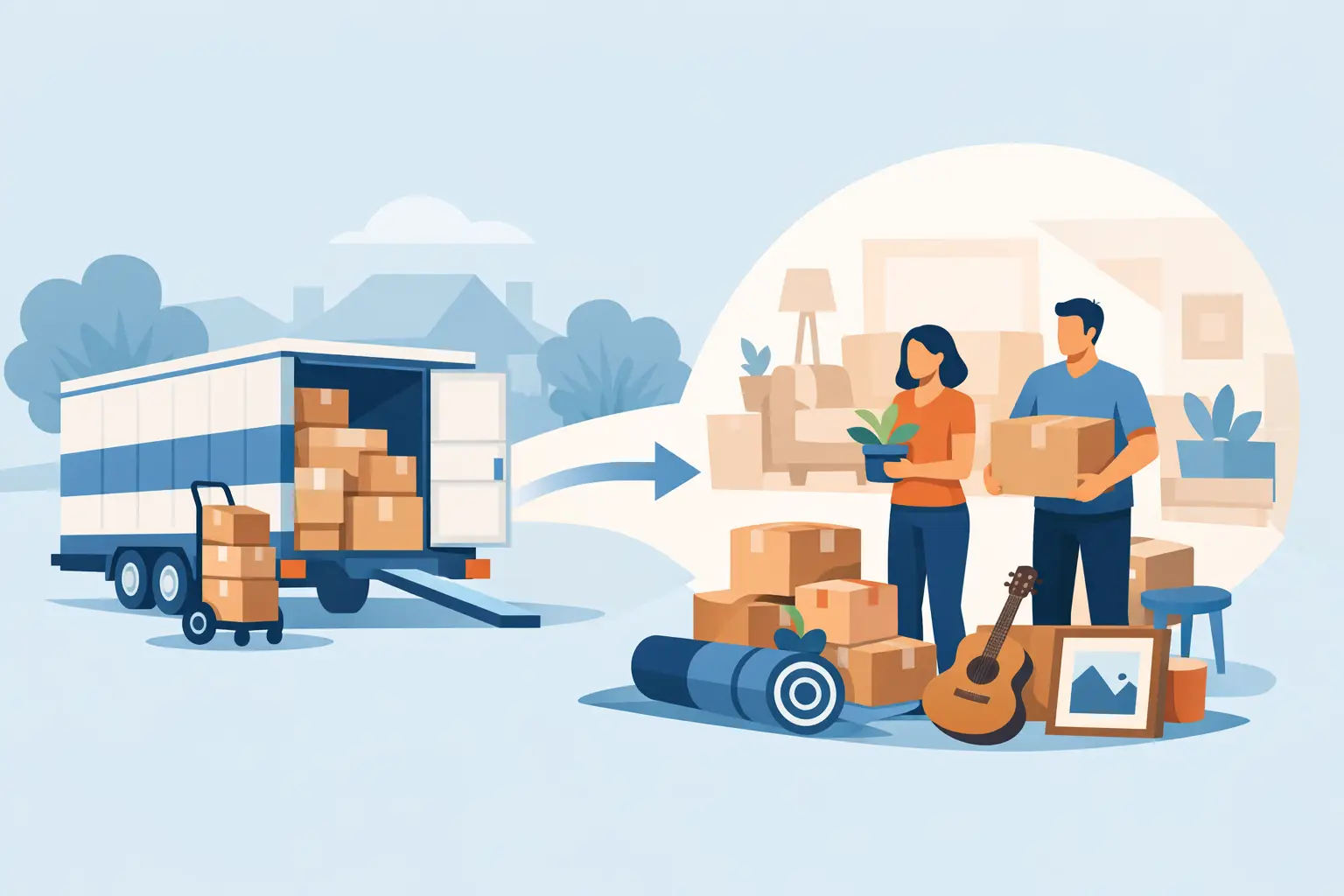
A portable storage container is delivered to your driveway or property at ground level. You load it as you sort, keep it on-site while you work, or have it picked up for storage. That extra space can make a smaller home, condo, retirement move, or estate transition much easier to manage.
Why Downsizing Takes More Time Than Most People Expect
Downsizing is not simply moving fewer boxes. It means deciding what fits your next home and what still has a place in your life. Furniture may need to be measured. Family members may want time to look through photos, collectibles, tools, and inherited items. Some belongings may be sold, donated, passed along, or kept for a later decision.
The challenge is that homes can quickly become cluttered during this process. Boxes pile up in hallways, staging a home for sale becomes harder, and items meant for the new house get mixed with things that are leaving. A mobile storage unit creates a controlled holding space so your home can stay safer, clearer, and easier to live in while you work through the details.
It also removes the pressure of a single truck-rental day. Rather than loading a truck, driving to a storage facility, unloading it, and repeating the process later, you load once at your pace. That matters when you are coordinating family, real estate appointments, contractors, or a move-in date that is still not finalized.
How to Use Mobile Storage for Downsizing
Start by thinking of the container as your temporary sorting zone, not a place to hide every difficult decision. The goal is to separate the belongings you are keeping from the ones you are still evaluating.
A 16 x 8 mobile storage unit offers useful room for furniture, boxes, and household contents while keeping everything close at hand. Because it is delivered at ground level, you can walk items in rather than carrying them up a steep truck ramp. That can be a major benefit for heavy furniture, awkward boxes, and anyone who wants to reduce unnecessary lifting.
As you work through each room, move items into clear groups: keep for the new home, store temporarily, donate or sell, and dispose of. You do not need a complicated labeling system, but every box should have a basic description and room name. If you are storing the unit off-site, take a few photos as you load so you have a quick visual record of where larger items are placed.
Load the container with the items you are least likely to need first. Seasonal décor, extra furniture, books, archived paperwork, and guest-room contents are often good candidates. Keep frequently needed items accessible near the door, especially if the container will remain on your property for several weeks.
Make Space Before You List Your Home
For homeowners preparing to sell, downsizing and home staging often happen at the same time. Buyers need to see the rooms, closets, and storage areas, not the volume of belongings a household has collected over the years.
Moving excess furniture and personal items into a mobile storage container can help a home feel more open without forcing you to make permanent decisions immediately. You can clear a crowded dining room, reduce closet overflow, and make the garage usable again. When showings begin, you are not scrambling to relocate boxes every time someone wants to view the property.
This approach is especially practical when your sale date and your new-home closing date do not line up perfectly. You may need temporary storage between homes, or you may want time to settle into a smaller space before deciding whether every stored item should come with you.
Pack for the Move You Actually Have
A common downsizing mistake is packing as though every item is going directly into the new home. If you are moving from a large house into a condo, apartment, or smaller residence, that can leave you with too much to unpack and nowhere to put it.
Measure the rooms in your next home before committing to large furniture. Note the width of hallways, elevator access if applicable, door swings, and available closet space. A beloved sectional, china cabinet, or workshop bench may be worth keeping, but only if it can be used comfortably in the new space.
When loading mobile storage, place furniture upright where appropriate and protect corners with pads or moving blankets. Keep heavier boxes low and distribute weight evenly across the floor. Avoid filling the entire unit in one day if you can. A staged load gives you time to reconsider what you are keeping without having to unpack everything again.
For fragile items, use sturdy boxes, fill empty space to reduce shifting, and label the outside clearly. Do not rely on memory, particularly when a transition stretches over several months.
Choose On-Site or Facility Storage Based on Your Timeline
The right storage setup depends on what is creating the delay. If you are actively sorting, renovating, or preparing a home for sale, keeping the unit on-site may be the most convenient option. Your belongings are nearby whenever you need to check measurements, retrieve an item, or add another box.
If the driveway needs to stay clear, the property is sold, or you need more time between moves, off-site storage can be a better fit. Your loaded container can be picked up and stored at a secure facility until you are ready for delivery. This avoids the repeated loading and unloading that comes with taking a truck to a conventional self-storage unit.
There are trade-offs. On-site storage offers immediate access, while facility storage provides a clean break from the items you are not ready to deal with yet. Your moving and storage specialist can help you plan around delivery timing, rental length, and the number of containers your project may require.
Give Family Decisions a Real Deadline
Some downsizing items are practical decisions. Others are emotional. A box of photographs, a parent’s furniture, or childhood memorabilia may take longer to sort than expected. Giving these items temporary storage can be helpful, but only if it comes with a plan.
Set a review date for stored belongings, perhaps after you have settled into the new home or after the estate sale is complete. Let family members know what needs a decision and by when. This creates breathing room without allowing storage to become permanent postponement.
For many families, the best outcome is not keeping everything. It is keeping the things that truly fit the next chapter, while making thoughtful arrangements for the rest.
A Simpler Way to Handle a Big Transition
Downsizing can bring relief, but it can also bring a long list of logistics. A portable storage container gives you a practical buffer between the home you are leaving and the life you are organizing next.
Storbox Mobile is locally owned and operated, with flexible delivery and pickup options for homeowners and families throughout the Quinte area. With weather-tight storage, ground-level loading, and a Best Price Guarantee, you can focus on sorting and moving forward instead of making extra trips with a rental truck.
Start with one room, one clear category, and enough space to make decisions carefully. The right storage plan will not make every choice easy, but it can give you the time and control to make the right ones.
