A container sitting in your driveway or at a jobsite should make your move or project easier, not give you another thing to worry about. This container door security review explains what matters most when protecting furniture, tools, inventory, and personal belongings in a portable storage unit – and what you can do to reduce avoidable risk.
Security starts with the container itself, but it does not end there. Door condition, lock choice, loading habits, placement, and the people who have access all affect how protected your belongings are. The right setup depends on whether the container is at your home, on a busy construction site, or stored at a secure facility.
Container Door Security Review: Start With the Doors
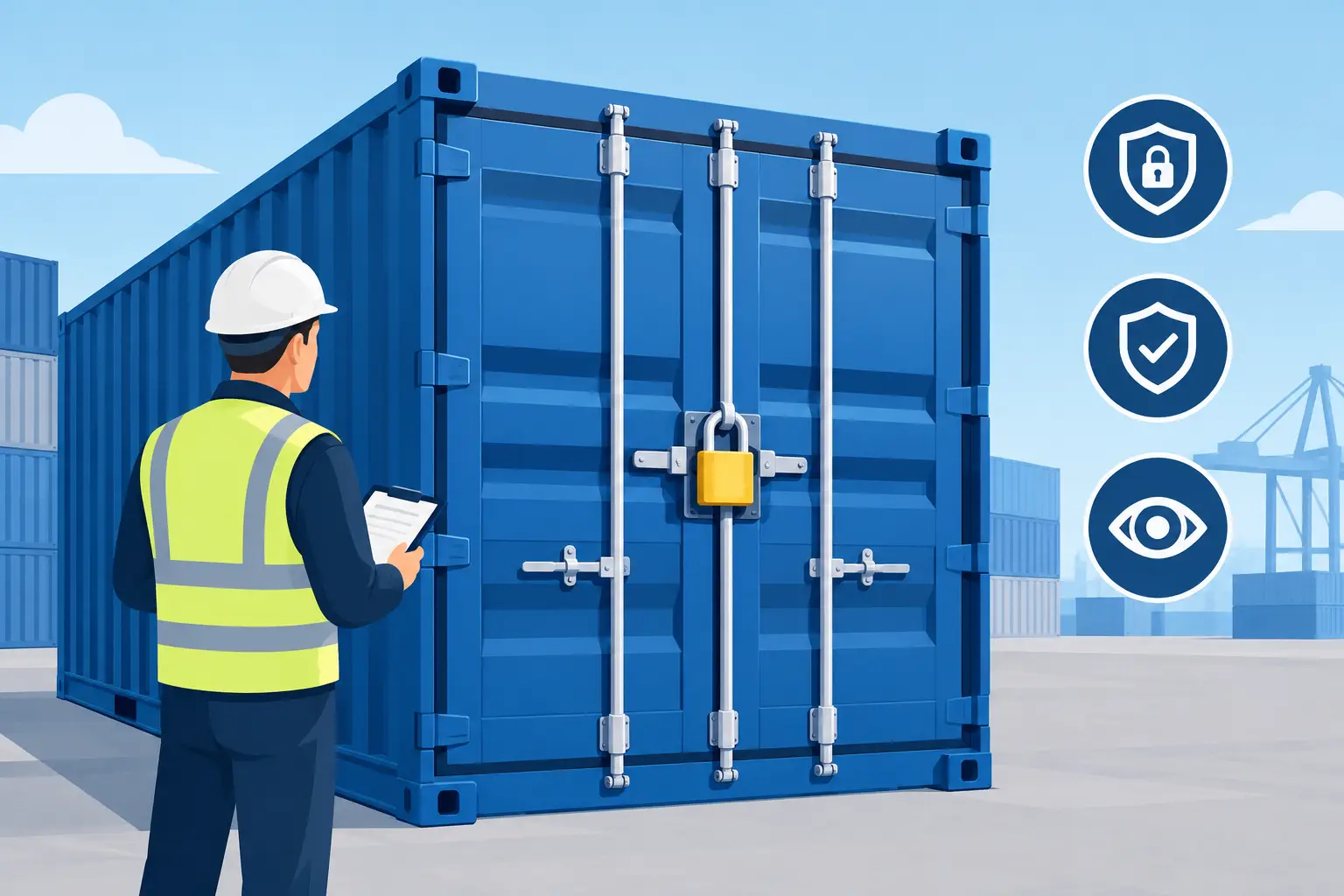
Container doors are the primary access point, so they deserve a close look before you load. A good storage container should have solid steel doors that close squarely, working hinges, intact locking bars, and a weather-tight seal around the frame. Doors that are difficult to close may signal that the container is not level, the contents are pressing outward, or hardware needs attention.
Before loading, open and close each door fully. Confirm that the locking bars turn smoothly and that the handles sit securely in their retainers. Look for obvious damage around the hasp area, loose hardware, bent bars, or gaps that could let in wind-driven rain. A container can be secure against unwanted entry and still leave your belongings exposed if moisture gets inside.
Level placement matters more than many customers expect. When a unit sits unevenly, its doors can become harder to operate and loading can feel less stable. That is one reason precise, level delivery is valuable, especially on sloped driveways, tight residential lots, and active jobsites.
The Lock Is a Small Detail With a Big Job
A container’s built-in locking bars keep the doors closed, but an added lock controls access. For most residential storage needs, a quality weather-resistant padlock is a practical choice. Avoid lightweight, low-cost locks with exposed shackles when your container will be on-site for an extended period.
A lock designed for outdoor use should resist rust and be sized correctly for the door hardware. If the lock is too small, it may be easy to manipulate. If it is too large or awkwardly shaped, it may not fit properly or may be difficult for you to use every day. Choose a lock that closes cleanly without forcing the door hardware.
For higher-value contents, such as contractor tools, business inventory, or specialized equipment, ask whether a protected lock box or enclosed lock option is available. Covering the lock body and shackle can make direct cutting access more difficult. It is not a replacement for good site security, but it adds another layer where risk is higher.
Keep key control simple. Give keys only to people who need access, avoid leaving a spare key near the container, and collect keys when a renovation crew, tenant, or temporary employee no longer needs entry. Combination locks can be convenient, but the code should be changed when the group of authorized users changes.
Security Depends on Where the Container Sits
A storage container at your home has different considerations than one at a commercial property. At home, placing the container where you can see it from the house is often a smart first step. Motion lighting, a doorbell camera, and a clear path around the doors can further discourage unwanted attention while making evening access easier for you.
At a jobsite, visibility may not always be possible. In that case, position the doors away from public traffic when practical, but do not block safe access for your crew. Keep the area around the unit free of loose materials, pallets, or equipment that could provide cover or make it harder to notice tampering.
Do not place a container in a location that creates a security problem of its own. A hidden corner may keep the unit out of sight from the street, but it can also keep it out of sight from you. The best placement balances privacy, accessibility, safe loading space, and visibility.
For customers who do not need frequent access, storage at a secure facility can be the better fit. This removes the container from a vacant property, an open worksite, or a driveway where no one is home during the day. It is a practical option after you have finished packing but are not yet ready to move into your next space.
Load the Container So the Doors Can Close Properly
Door security is only effective if the doors can close without strain. One of the most common loading mistakes is stacking boxes, furniture, or job materials directly against the doors. Items can shift during loading, settlement, or transport, putting pressure on the door panels and making access difficult.
Leave a small clearance near the doors. Place heavier belongings low and toward the center, then distribute weight across the floor rather than building one heavy wall on a single side. Secure tall items and breakable pieces so they cannot tip or slide into the doors.
For business storage, organize valuable items deeper inside the container rather than immediately behind the doors. This is not about making access inconvenient for your team. It is about reducing the chance that expensive tools or stock are visible the moment the doors are opened.
A clean loading plan also helps you notice if something is missing. Label boxes clearly, keep a simple inventory on your phone, and take photos of high-value items before storage. Documentation is useful for your own records and may help if you need to make an insurance claim.
Know What Security Does Not Cover
Even a well-built, locked container cannot eliminate every risk. Severe weather, unauthorized entry, misplaced keys, and damage caused by improper loading are all different issues that require different precautions. Do not store hazardous materials, flammables, perishable food, or anything prohibited by your rental agreement.
It is also worth checking your homeowners, renters, or business insurance policy before you load. Coverage for belongings inside portable storage can vary based on the policy, the item, and where the container is located. Ask your insurer direct questions about off-site storage, on-site containers, tools, inventory, and deductibles. Do not assume that coverage automatically applies.
For irreplaceable documents, family heirlooms, cash, or highly sensitive records, consider whether they belong in a different location altogether. Portable storage is an excellent solution for many household and business items, but the best storage choice always reflects the value and sensitivity of what you are storing.
A Practical Security Check Before You Walk Away
Before leaving your container for the night or for an extended period, close both doors completely, engage the locking bars, and confirm the lock has clicked shut. Tug the lock once rather than assuming it is secure. Make sure no boxes, straps, or tarps are caught in the door seal.
Then look at the area around the container. Are ladders, tools, or loose objects left nearby? Is the access route clear? Can you see the doors from the house, office, or site entrance? These quick checks take less than a minute and can prevent a problem later.
For homeowners moving, renovating, or downsizing, security should support convenience instead of complicating it. Storbox Mobile provides weather-tight portable storage delivered where you need it, with level placement that makes loading and door operation easier. Pair a sound container with a quality lock and sensible loading habits, and you can focus on the work that matters: getting settled, finishing the project, or keeping your business moving.
