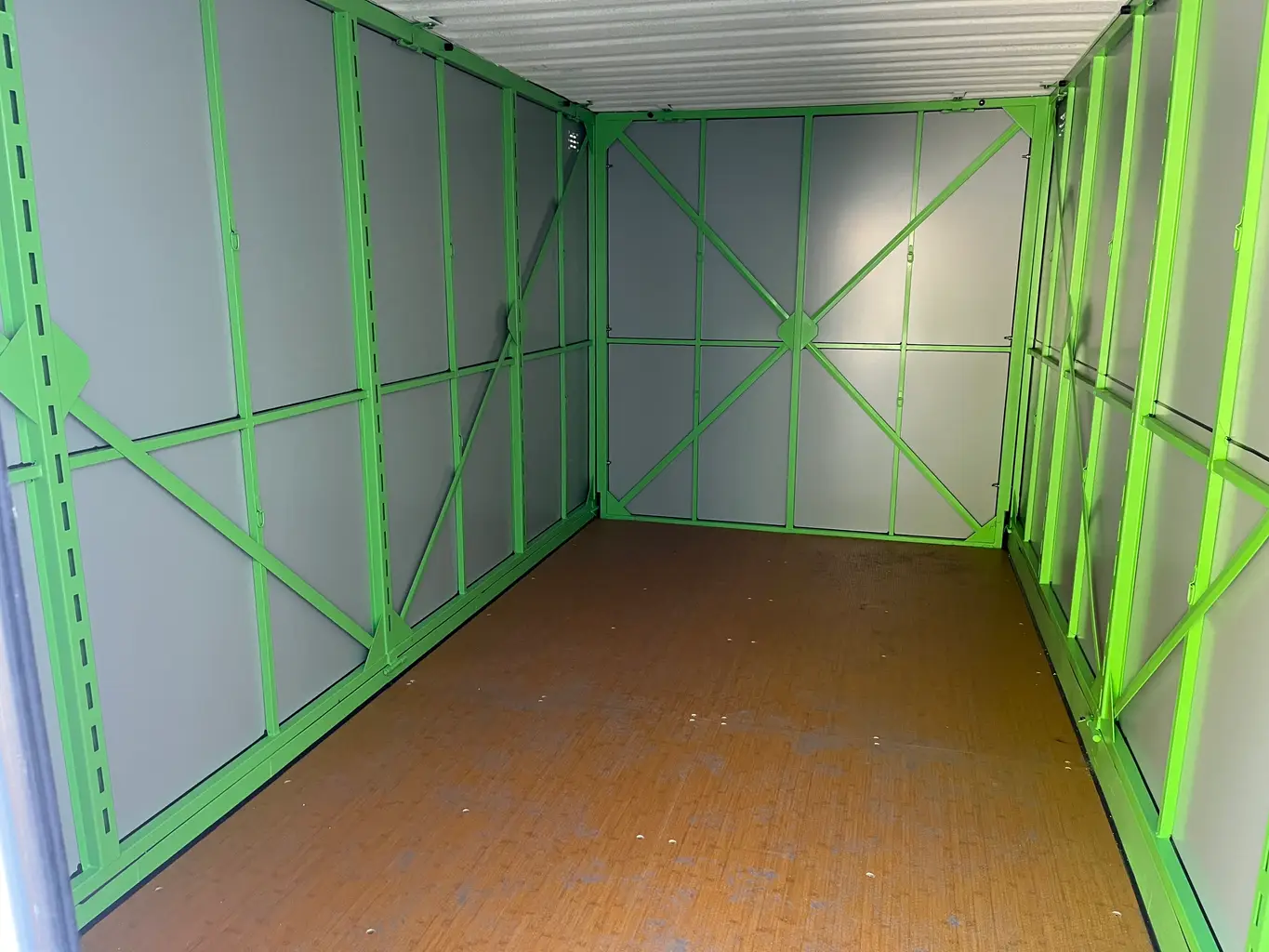
A ground level loading storage container changes the part of moving and storage that people usually dread most: getting heavy, awkward belongings in and out safely. Instead of carrying furniture up a steep ramp or worrying about a container being dropped at an angle, you load at ground level, right where the unit is placed.
That difference matters when you are moving a household, clearing rooms for a renovation, or keeping tools close to an active job site. It is easier on your back, safer for your belongings, and far more practical when your driveway, property, or schedule does not fit the limits of a standard delivery truck.
What Ground-Level Loading Really Means
Ground-level loading means the floor of the storage container is placed close to the ground so you can step directly inside. There is no truck bed height to work around and no need to manage a long, steep loading ramp just to get a sofa, appliance, or stack of boxes into storage.
For a homeowner, that can mean rolling a dolly straight into the container instead of lifting each load over a raised edge. For a contractor, it can mean moving materials and equipment in and out throughout the day without wasting time on an awkward setup. The benefit is simple: less lifting, fewer obstacles, and more control over the way you pack.
Not every portable storage delivery works this way. Conventional roll-off trucks often need a long, straight approach to slide a container from the back of the truck. That can limit where the unit can go and can create an uneven drop, particularly on sloped or tight properties.
Why Level Placement Makes a Difference
A container that arrives level stays easier to use from the first box to the last. Doors operate properly, shelves and stacked items sit as intended, and rolling items can be moved without fighting an incline. It also gives you a better starting point for packing the container safely.
Level placement is especially valuable when you are storing heavy furniture, tools, inventory, or renovation materials. A slight slope may not sound like much until a loaded hand truck starts pulling away from you. Keeping the container level helps reduce that risk and makes loading less physically demanding.
There is also a property-protection benefit. A standard roll-off delivery may require extra clearance and can put more pressure on a driveway during placement. Storbox Mobile uses a Superior Mule Placement System that keeps the container level while it is moved into position. The compact, self-propelled unit can be walked directly into place, allowing the operator to work around turns, narrow driveways, slopes, and other obstacles more carefully.
That does not mean every location is identical. Soft ground, low overhead branches, parked vehicles, and very restricted access can still affect placement options. A quick conversation before delivery helps identify the best location and prevents surprises on moving day.
A Better Fit for Tight Properties
Many homes and businesses do not have 70 feet of straight, open space available for a delivery truck. Driveways curve. Buildings sit close to the road. Gates, landscaping, utility lines, and neighboring vehicles can make a straightforward drop impossible.
This is where a ground level loading storage container is more than a convenience. The ability to maneuver a container carefully into a confined area gives you options that conventional delivery methods may not. Rather than placing the unit wherever a truck can reach, the goal is to place it where it will actually work for you.
For residential customers, that may mean positioning the container near the garage, side entrance, or renovation area. For a downtown business or construction site, it may mean using available space without blocking the entrance, loading area, or workflow. Precise placement keeps the container useful instead of turning it into another obstacle.
Easier Moving Without the Truck Rental Cycle
Traditional moving often involves more handling than people expect. You load your belongings into a rental truck, unload them at a storage facility, load them again when you are ready, and then unload at the new home. Every transfer takes time and creates another chance for damage.
With a portable container delivered to your property, you pack once at your own pace. When you are ready, you can keep the unit on-site or arrange to have it moved to secure storage. If you are moving to another location, the container can be transported so you are not managing a truck rental, fuel stops, and a rushed return deadline at the same time.
This approach works well when closing dates do not line up, when a renovation runs longer than planned, or when a family needs time to sort through a home before downsizing. You decide when to load, rather than trying to force a full move into one exhausting weekend.
How to Pack a 16 x 8 Storage Container Well
A level container makes loading easier, but a thoughtful packing plan protects your belongings and makes better use of the space. Start with the heaviest items along the front wall and distribute weight across the floor. Keep frequently needed items near the doors, especially if the container will stay on-site during a project.
Use sturdy boxes that can be stacked evenly, and fill empty space within boxes so contents do not shift. Furniture pads, moving blankets, and straps are worth using for wood furniture, appliances, and anything with a finished surface. Mattresses and large upholstered pieces should be protected from dust and scuffs before they go inside.
Avoid storing items that are unsafe or unsuitable for a sealed storage environment. Fuel, propane cylinders, chemicals, perishables, and other hazardous materials should not go in the container. If you are unsure about a particular item, ask before packing it.
A simple inventory is also helpful. It does not need to be complicated – a phone photo of each section as you load, plus a short list of high-value or frequently needed items, can save time later. Place that list somewhere accessible instead of burying it in a box.
When On-Site Storage Is the Right Choice
On-site storage is useful when your belongings need to remain close by. During a kitchen remodel, for example, a container can hold dining furniture, small appliances, and boxed household items while contractors work inside. During a business renovation, it can keep supplies, records, or seasonal inventory nearby without crowding the work area.
It is also a practical option for people preparing a home for sale. Removing excess furniture and personal items can make rooms feel more open, but you may not want to part with those belongings permanently. A container gives you temporary breathing room without making repeated trips to a storage facility.
For construction teams, secure on-site storage can reduce the daily job of loading tools into trucks and taking them back out. The right setup depends on site access, local requirements, and how often the contents will be used. Ground-level access is particularly helpful when workers need to move equipment in and out regularly.
When Facility Storage Makes More Sense
Sometimes the best place for a container is not your property. If you are between homes, traveling for an extended period, or simply need your driveway back, pickup and storage at a secure facility can be the better choice.
You still get the convenience of loading at your location first. Once the container is packed, it can be transported for storage until you need it again. This gives you flexibility without having to rush through packing or move everything into a fixed self-storage unit yourself.
Rental length can be adjusted around the reality of your move or project. That is useful because timelines change. A delayed closing, a contractor schedule, or a family decision should not force you into a storage plan that no longer fits.
Ask About Placement Before Delivery
The best storage experience begins with a clear plan for where the container will sit. Measure the space if you can, move vehicles in advance, and point out any access concerns such as tight turns, overhead branches, or soft ground. A local moving and storage specialist can help you determine what is practical for your property.
For homeowners and businesses across Belleville, Prince Edward County, and the surrounding area, level loading provides a straightforward way to reduce the work of moving and storage. Choose a placement that keeps the container convenient, pack on your schedule, and ask for a free quote when you are ready to make space without making the job harder.
