A renovation can turn a perfectly functional home into a maze of furniture, boxes, tools, and dust. A move can create the same problem when closing dates do not line up. This guide to temporary onsite storage explains how a portable storage container can keep your belongings close, protected, and out of the way while you work through the transition on your own schedule.
Temporary onsite storage is not just for big moves. It is a practical option whenever you need usable space without making repeated trips to a storage facility or loading a rental truck more than once. The right setup gives you room to work now and a clear plan for what comes next.
What Temporary Onsite Storage Is Best For
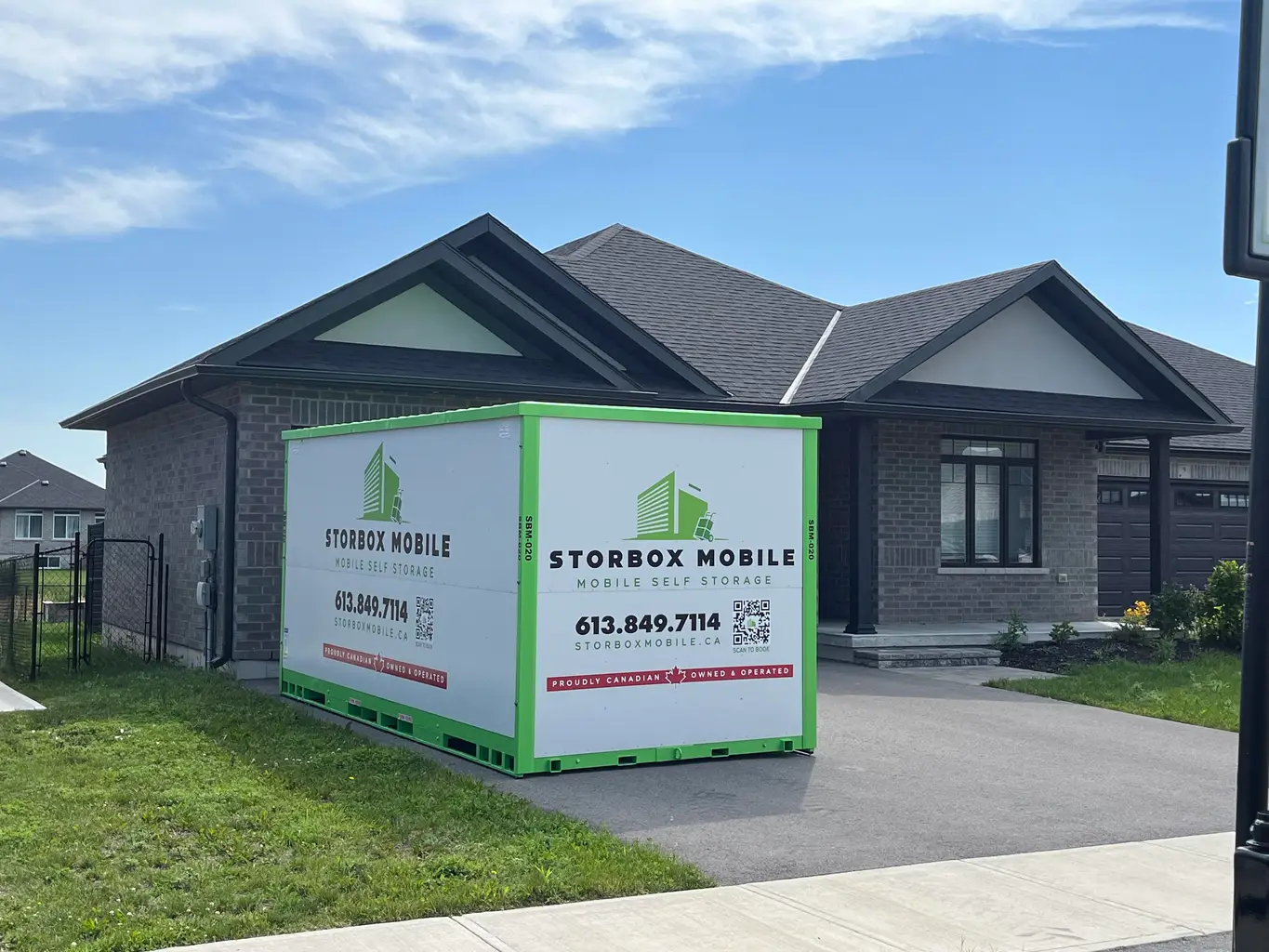
Onsite storage means a portable container is delivered to your property and stays there for as long as you need it. You load it at ground level, keep it on site while your project is underway, and arrange pickup when you are ready. If your plans change, many portable storage providers can also move the container to a secure storage facility or a new address.
For homeowners, this is especially useful during kitchen renovations, flooring projects, estate cleanouts, home staging, downsizing, and long-distance moves. Clearing rooms before contractors arrive helps protect furniture and gives crews room to work. Instead of stacking belongings in the garage, basement, or spare bedroom, you can keep them contained just outside.
For businesses and contractors, temporary storage can hold inventory, seasonal displays, tools, materials, records, or equipment at a job site. The container is nearby when you need it, which can reduce lost time spent driving back to a warehouse or offsite storage unit.
The best fit depends on access and timing. If you need to retrieve items regularly, keeping the container at your property is usually the most convenient choice. If you only need a place to hold packed items until a move date, offsite storage after loading may be the better option.
Start With the Space You Need to Clear
Before scheduling delivery, walk through the rooms, work areas, or inventory you need to store. The goal is not to pack every item you own. It is to identify what must be moved out of the way to make the project safer and easier.
Start with large pieces such as sofas, dining tables, bedroom furniture, appliances, shelving, and boxed inventory. Then account for the smaller items that take up more room than expected: bins, tools, seasonal decorations, files, supplies, and household goods. A 16 x 8 storage unit can hold the contents of several rooms, but the actual fit depends on how efficiently it is packed and whether large furniture is being stored upright.
Keep daily-use items out of the container. During a renovation, that may include medications, important documents, basic clothing, children’s essentials, and anything you expect to need on short notice. For a business, set aside the products, equipment, or paperwork your team needs every day.
A clear inventory also makes the final unload easier. Label boxes by room or function rather than writing only “miscellaneous.” If you need one specific item halfway through the rental period, you will know where to look.
Choose a Placement Area Before Delivery
Container placement is one of the most important parts of temporary onsite storage. Measure the available area and look beyond the container footprint. You need room for delivery equipment to enter, turn, and position the unit safely.
A level, firm surface is ideal. Driveways, parking areas, and compact gravel pads are common choices. Avoid soft ground, steep grades, low-hanging branches, overhead wires, and areas that block garage access, emergency access, or neighboring properties. If you live in a community with parking or property rules, check whether a temporary container requires approval before it arrives.
Tight properties do not automatically rule out portable storage. Conventional roll-off delivery methods often need a long, straight approach and can limit where a container can go. A specialized placement system can make a major difference in narrow driveways, tight turns, sloped areas, and confined job sites.
Storbox Mobile uses its Superior Mule Placement System to keep containers level during placement and position them precisely where they are needed. That means less risk of uneven loading, driveway damage, or a container landing farther from the work area than planned. For homes in established neighborhoods and properties with limited access, this flexibility matters.
Pack for Access, Balance, and Protection
A weather-tight container provides solid protection, but careful packing is still what keeps belongings in good condition. Begin with a clean, dry container floor. Use sturdy boxes, quality tape, moving blankets, and mattress covers where needed.
Load the heaviest items first and distribute their weight across the floor. Put heavy boxes on the bottom, lighter boxes on top, and fill gaps with smaller cartons or soft goods so stacks do not shift. Secure tall items such as bookcases, mirrors, and mattresses along the walls. Blankets, straps, and furniture pads help prevent rubbing during transport if the container will later be moved.
Think about access before you load. If you know you will need tools throughout a project, place them near the door. If the container will hold furniture until moving day, load large pieces first and stack boxed items around them. Leave a narrow aisle only when regular access is worth giving up some storage capacity.
Do not store items that create a safety issue. Flammable liquids, propane tanks, fuel, hazardous chemicals, illegal materials, perishable food, and anything that can leak, spoil, or attract pests should stay out. When in doubt, ask your storage specialist before packing it.
Plan Your Rental Period Around Real Project Timing
A common mistake is booking storage only for the expected work period. Renovations run late. Closing dates shift. Weather delays construction. A family move can take longer than planned once school, work, and utility schedules are involved.
Build in a little breathing room from the start. Flexible rental terms let you keep the unit as long as the job actually requires, rather than rushing to empty it because a fixed deadline is approaching. This is one of the biggest advantages of portable storage: you control the loading pace.
If you are selling a home, temporary onsite storage can also make the property easier to show. Remove extra furniture, personal collections, and overflow from closets so rooms feel more open. Once the home sells, the container is already packed with many of the items you will take with you.
For contractors and small businesses, match delivery and pickup to the work schedule. Deliver the unit before materials arrive, keep it secure during the active phase of the job, and arrange removal once the site is cleared. That reduces clutter and helps keep valuable tools from being left exposed.
Know When Onsite Storage Is Not the Best Choice
Onsite storage is convenient, but it is not the answer to every storage need. If there is no safe delivery route or suitable placement area, facility storage may be more practical. The same is true if local rules prohibit containers, or if you will not need access to your belongings for months and want the unit off your property.
For some moves, a hybrid plan works best. Have the container delivered, load it at your pace, then arrange for it to be picked up and stored securely until your new home is ready. You avoid the repeated loading and unloading that comes with a rental truck and traditional self-storage.
Get the Details Confirmed Before Delivery
A straightforward conversation before delivery prevents most surprises. Confirm the container size, delivery window, placement location, surface conditions, rental terms, and pickup process. Share photos or measurements if your driveway is narrow, sloped, or obstructed. A local provider should be able to guide you through what will work at your property.
Ask how your belongings will be protected if the container is moved, whether you can extend the rental if plans change, and what items are prohibited. Clear answers matter more than a complicated process or a vague quote.
Temporary onsite storage should make a demanding project feel more manageable, not add another moving part. With a well-chosen placement area, a sensible packing plan, and enough time to work at your own pace, the container becomes useful space exactly where you need it – when you need it.
