A move rarely happens in one clean day. Closing dates shift, painters need another week, and the new place may not be ready when the old one has to be empty. Belleville storage should make those gaps easier to manage, not add truck rentals, loading crews, and repeated trips across town to your list.
A portable storage container gives you room to work at your pace. It is delivered to your driveway, property, or jobsite, loaded at ground level, and kept on-site or picked up for storage when you are ready. That simple difference can make a major project feel far more manageable.
A Better Way to Handle Belleville Storage
Traditional self-storage works well when you need a small unit and can make regular trips to a facility. But it can be a poor fit when you are moving a full household, clearing rooms for a renovation, or keeping materials close to a jobsite. You have to rent or borrow a truck, load it, drive to the facility, unload it, then repeat the process when you need your belongings back.
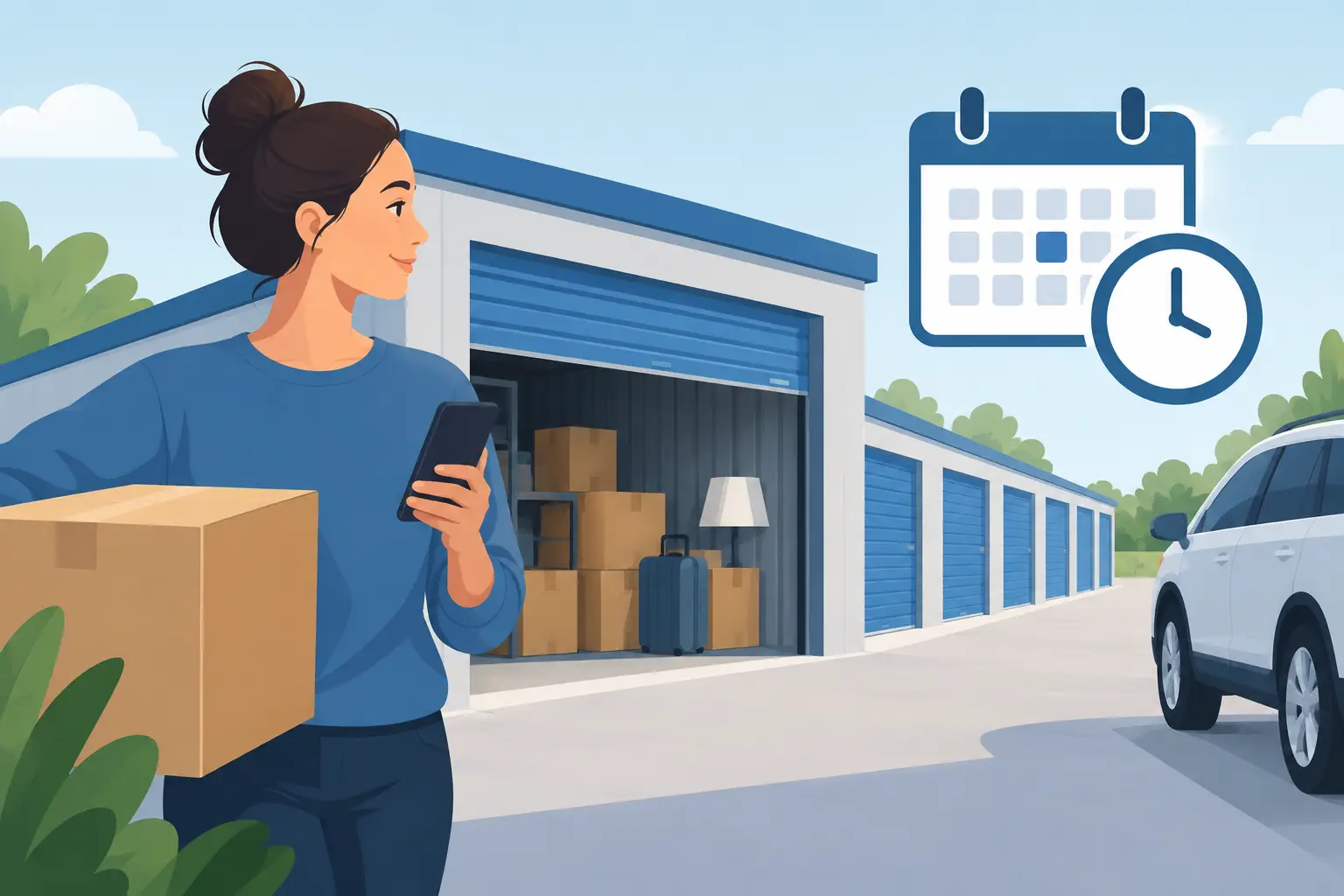
With mobile storage, the container comes to you. A 16-by-8-foot unit is placed at ground level so you can load furniture, boxes, tools, inventory, or equipment without carrying everything up ramps or into a truck. You load once, on your schedule. From there, you can keep the container where it is or arrange for it to be moved to a secure storage facility.
This is not always the best choice for every situation. If you only need to store a few seasonal bins and have little space for delivery, a small traditional unit may be enough. Portable storage is especially useful when the amount you need to store is substantial, timing is uncertain, or convenience matters more than making multiple trips.
When a Portable Container Makes Sense
The biggest benefit is control. Instead of rushing to finish by the end of a truck rental window, you can pack room by room. That makes portable storage a practical option for several common situations.
Moving without the rushed timeline
Moving is rarely as simple as handing over one set of keys and receiving another. You might be waiting for a closing date, moving into a temporary home, or needing time to clean and organize before unpacking. A delivered container keeps your belongings in one place through the transition.
You can pack in stages, starting with items you do not use every day. When it is time to move, the container can stay at your property for unloading or be delivered to the next location. There is no need to load a truck, unload at storage, then load again later.
Renovations that need room to happen
A renovation goes faster when rooms are clear. Furniture, décor, appliances, and boxed belongings can be moved into a weather-tight container outside your home instead of being stacked in hallways, bedrooms, or the garage.
On-site storage is particularly helpful for kitchen remodels, flooring projects, basement finishing, and whole-room painting. Your belongings stay nearby, but out of the work area. Before booking, consider where the container can sit without blocking vehicles, access, or contractor equipment.
Downsizing and preparing a home for sale
When you are downsizing, deciding what to keep can take time. Packing nonessential belongings into a portable unit creates space to sort thoughtfully rather than making fast decisions under pressure. It also gives you room to hold items for family members, donations, or a future move.
For home staging, less is often more. Removing extra furniture, personal items, and overflow from closets can help rooms look larger and easier for buyers to picture as their own. A nearby storage container makes it easier to keep the home ready for showings without filling every spare corner with boxes.
Storage for contractors and local businesses
Business storage needs are often immediate. A contractor may need tools and supplies at a jobsite. A retailer may need a short-term place for inventory during a reorganization. An office may need to clear furniture during a renovation.
Keeping a container on-site can reduce wasted time spent traveling back and forth for materials. It also helps teams keep work areas more organized. The right solution depends on the site layout, the type of items being stored, and whether the container needs to remain accessible throughout the project.
Choose On-Site or Facility Storage
One of the advantages of mobile storage is that you are not locked into one approach. Your storage plan can match the project in front of you.
On-site storage is the right fit when you need frequent access. During a renovation, for example, you may need to retrieve furniture, tools, or boxes as work moves from room to room. Having the container at your location keeps those items close without bringing them back into the house.
Facility storage is often better when you need to clear your driveway or property, are between homes, or want belongings stored away until a later date. Once you have packed the container, it can be picked up and stored securely until you are ready for delivery.
Before choosing, think about access. Ask yourself how often you will need an item, whether your property has a suitable delivery area, and how long the project is likely to last. A moving and storage specialist can help you work through those details before delivery day.
Make Loading Day Easier
A little planning helps you get the most from your storage space and protects the items inside. Start by setting aside the things you will need during the rental period. Keep those items in your home, vehicle, or near the container door so they are not buried behind heavier boxes.
Load large, heavy items first. Place sofas, dressers, appliances, and other sturdy pieces along the sides and toward the front of the container. Use moving pads or blankets to protect finished surfaces, and distribute weight across the floor instead of concentrating it in one spot.
Pack boxes to a manageable weight and label more than one side. A basic room label is helpful, but a short note such as “winter clothes,” “kitchen small appliances,” or “client files” makes finding something later much easier. Fill gaps with lighter items to limit shifting during transport.
If you are storing items for more than a few weeks, avoid packing anything damp. Let outdoor furniture, tools, or freshly cleaned items dry completely first. Do not store food, hazardous materials, or anything that could leak, spoil, or create a safety issue. When in doubt, ask before loading.
What to Look for in a Storage Provider
Not all storage options solve the same problem. Price matters, but it should not be the only question. A lower advertised rate can lose its value quickly if it comes with rigid timing, extra truck costs, or unexpected transportation fees.
Look for clear delivery and pickup details, flexible rental periods, and containers that are secure and weather-tight. Ground-level loading matters too. It is safer and easier than carrying heavy furniture up a ramp, especially when you are coordinating a move with family or friends.
Local service also makes a difference when plans change. Working with a locally owned and operated provider means you can speak with someone who understands the area and can help coordinate a delivery around your actual timeline. Storbox Mobile pairs that practical support with a Best Price Guarantee, so you can focus on the project instead of piecing together logistics.
Common Questions About Belleville Storage
How much can a 16-by-8-foot storage container hold?
Capacity depends on how you pack and what you are storing. A container can handle the contents of several rooms, including furniture, boxes, appliances, and household items. For a large home or a move with many bulky pieces, more than one unit may be the better choice.
How long can I keep a portable storage container?
Rental needs vary. Some customers need storage for a short move or weekend project, while others need it through a longer renovation or transition. Flexible rental terms let you keep the container for the time you actually need rather than forcing your schedule into a fixed window.
Do I need room in my driveway?
You need a clear, reasonably level area where the container can be placed safely. Driveways are common, but properties and jobsites differ. Discuss the delivery location ahead of time so placement is planned before the container arrives.
The right storage plan should take work off your plate. Whether you are clearing a room, managing a move, or keeping a jobsite organized, start with your timeline, your access needs, and the space you need to reclaim. From there, a delivered container can give you the breathing room to handle the next step on your terms.
