A weather tight storage container is not just a steel box with a lock. It is the difference between putting your belongings away with confidence and worrying about damp boxes, rusted tools, or damaged furniture after the next stretch of rain. Whether you are moving, renovating, downsizing, or managing a busy job site, the container needs to protect what is inside while making storage easier to use.
For most people, the practical benefit is simple: load once, keep your items close by, and access them when you need them. You should not have to rent a truck, haul everything to a storage facility, then repeat the process when your project or move is finished.
What “Weather Tight” Should Mean
Weather tight means a storage container is designed to keep normal outdoor weather from getting inside. Rain, snow, wind-driven moisture, dust, and debris should stay outside the unit when its doors are properly closed and secured.
That protection matters for more than obvious items such as upholstered furniture and cardboard boxes. Moisture can affect wood furniture, paper records, flooring, drywall supplies, electronics, clothing, tools, inventory, and seasonal equipment. A small amount of water entering a container repeatedly can create a much bigger problem over time.
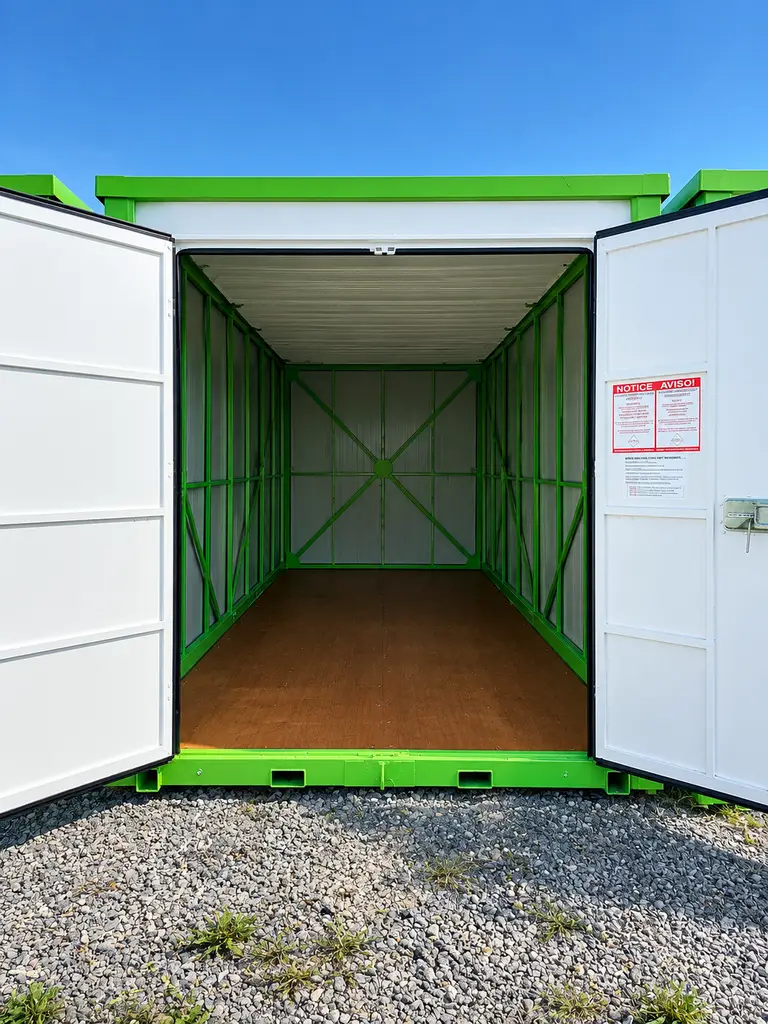
A weather tight container is not the same as a climate-controlled room. The unit protects against outside weather, but temperatures inside can still change with the seasons. During warm, humid weather or sudden temperature swings, condensation can occur if items are packed without airflow or placed directly against cool metal walls. Storbox Mobile units all have vents on all walls, sprayed anti condensation roofs, anti slip marine plywood floors and sealed double hinged doors. Good packing habits are still part of protecting your belongings.
The condition of the doors matters most
Container doors do a lot of the work. They should close squarely, latch securely, and have sound weather seals around the edges. Bent door frames, worn seals, or doors that do not fully close can allow moisture to enter during heavy rain or wind.
Before loading, take a few minutes to inspect the interior. Look for daylight around closed doors, obvious damage, wet spots, or signs of a past leak. A dependable storage provider should deliver a clean, dry unit that is ready for your items.
A solid floor is just as important
The floor should be dry, sturdy, and free of soft areas or damage. It is smart to place sensitive items on pallets, moving pads, or a layer of protective material rather than directly on the floor. This gives air a place to move and adds protection if wet boots, snow, or rainwater are tracked in while loading.
When a Weather Tight Storage Container Makes Sense
Portable storage works especially well when the timing of your project is not perfectly predictable. A traditional storage facility can work for some situations, but it often means multiple trips, strict access hours, and several rounds of lifting. Having the container delivered to your property keeps the storage where the work is happening.
For a household move, you can pack gradually instead of rushing to load a rental truck in one day. This is useful when closing dates change, a new home is not ready yet, or you simply want to sort and organize before moving.
During a renovation, a weather tight unit keeps furniture and boxed belongings out of dusty work areas while leaving them nearby. That can free up rooms for flooring, painting, demolition, or contractor access without turning your garage into a crowded holding area.
For small businesses and contractors, on-site storage can keep tools, materials, and supplies close to the job. The right placement matters here. A container dropped unevenly on a slope can make doors harder to use and create an unsafe loading situation. Level placement gives you better access and helps protect the contents from shifting.
How to Pack for Better Protection
Even the best container performs better when it is packed with care. Start by keeping moisture-sensitive items away from the walls. Leave a little breathing room around furniture, mattresses, and boxes, especially if the unit will be stored through changing weather.
Use sturdy boxes and label them clearly. Weak or overfilled boxes are more likely to collapse when stacked, and they make it harder to find what you need later. Place heavier boxes on the bottom and lighter items on top. Keep frequently needed belongings near the doors instead of burying them at the back.
For furniture, use moving blankets or covers to prevent scratches and reduce direct contact with the container walls. Mattresses should be covered, and appliances should be clean, dry, and fully defrosted before storage. Never store an appliance with trapped moisture inside.
Avoid storing wet items. Garden tools, camping gear, boots, tarps, and outdoor furniture should be dry before they go into the unit. If you are loading during rain, wipe down items as needed and avoid leaving wet cardboard or fabric packed tightly together.
If you are storing for several months, moisture absorbers can be useful for boxes, clothing, documents, and other sensitive belongings. They are a helpful extra precaution, not a substitute for a dry, weather tight container.
Placement Can Protect Your Property Too
A storage container needs a firm, reasonably level location with enough room for delivery and door access. The best spot depends on the property, but a driveway, parking area, job site pad, or other stable surface is often ideal.
The delivery method makes a real difference in tight residential spaces. Conventional roll-off delivery can require a long, straight approach and may slide the container from the truck at an angle. That can limit where the unit can go and put unnecessary stress on a driveway.
Storbox Mobile uses a Superior Mule Placement System to keep its storage units level during placement. The compact, self-propelled system can work through narrow driveways, tight turns, slopes, and confined job sites, allowing the operator to walk the unit directly into position. That means better placement options and a smoother experience when space is limited.
Before delivery, remove vehicles and other obstacles from the planned route. Think about overhead branches, low wires, gates, soft ground, and the space needed to open the container doors. If you are unsure where the unit should go, discussing the site before delivery can prevent delays.
Questions to Ask Before Renting
Not every storage need is the same, so it pays to ask direct questions before choosing a provider. Confirm that the container is weather tight and ask how its condition is checked before delivery. Ask whether you can keep the unit on your property, have it picked up for storage at a secure facility, or switch between those options if your plans change.
You should also understand the rental term, delivery timing, transportation charges, and what level of access you will have if the unit is stored off-site. Clear answers help you compare the real cost of portable storage with the time, fuel, truck rental, and repeat handling involved in a traditional storage arrangement.
For homeowners in Belleville, Prince Edward County, and the surrounding Quinte area, local service can be especially valuable when timing changes. A provider that knows the area and can respond directly is often easier to work with than a distant call center.
Keep Storage Simple From the Start
The right container gives you control over the pace of your project. Pack when you are ready, keep your belongings protected from the weather, and avoid moving the same items over and over again.
When you choose a weather tight storage container with careful placement and flexible rental options, storage becomes one less thing to manage during an already busy move, renovation, or business project.
