A move rarely happens in one clean, predictable day. Closing dates move, help cancels, renovations run late, and the new place may not be ready when the old one needs to be empty. Moving containers give you room to handle those real-life timing issues without rushing everything into a rental truck and unloading it again a few hours later.
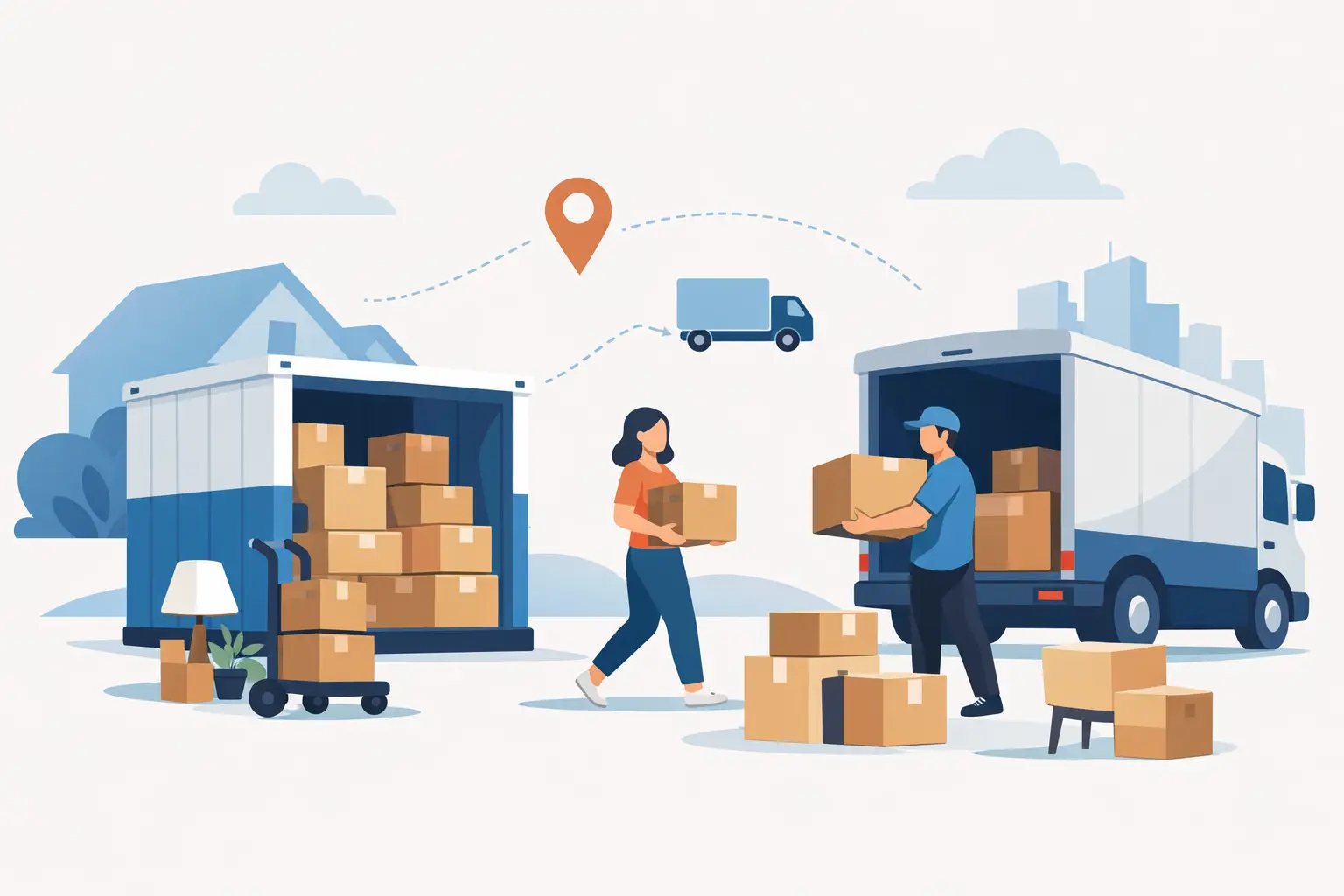
A container is delivered directly to your driveway, property, or jobsite at ground level. You load it when it works for you. When you are ready, you can keep it where it is or have it picked up for storage at a secure facility. It is a practical option for households, renters, and local businesses that need flexibility without adding more work to an already busy project.
When moving containers are the better choice
Traditional moving can work well when you have a firm date, a short distance to travel, and enough help to load and unload a truck in one day. But that is not every move. A portable container is often the simpler choice when your schedule has gaps, your destination is still uncertain, or you want to avoid handling every item twice.
With a truck rental, you load at your current home, drive it, then unload at the new one. If your new home is not ready, you may need to unload into a storage unit and then load everything again later. That is a lot of lifting, planning, and opportunity for something to get misplaced or damaged.
Moving containers reduce those transfer points. You load your belongings once, then decide whether the container stays on-site or goes into storage. That can be especially helpful for families moving in stages, homeowners waiting for possession, and people downsizing who need time to sort through what they are keeping.
They are also useful when a move is only part of the project. If you are selling a home, a container can hold excess furniture while you stage rooms for photos and showings. During a renovation, it can keep furniture out of the dust without sending it across town. For a contractor, it can provide secure, weather-tight storage close to the work area.
How moving containers work
The process should feel straightforward, not like another logistics project to manage. First, choose the number of containers you need and arrange a delivery time that fits your schedule. A 16 x 8 container provides substantial space for household belongings, furniture, tools, inventory, or renovation materials, while still being delivered at ground level for easier loading.
Once the container is in place, pack at a pace that makes sense for your situation. You might finish in a weekend with friends and family, or take several days to sort, donate, and organize. There is no need to race a truck return deadline while trying to make decisions about every closet and basement shelf.
After loading, you have two basic options. Keep the unit at your home, business, or jobsite for on-site storage, or arrange for pickup and storage at a secure facility. When you need your items again, delivery can be scheduled for the next stage of your move or project.
That flexibility is the point. The container follows your plan instead of forcing your plan to fit a storage facility’s hours or a rental truck’s timeline.
Pack once, but pack with a plan
Having more time to load does not mean you should load without a system. A well-packed container protects your belongings and makes the eventual unload much easier.
Start by placing heavy, sturdy items along the floor and against the walls. Appliances, dressers, boxed books, and solid furniture create a stable base. Use moving blankets, cardboard, or padding between furniture pieces so they do not rub against one another during transport.
Keep frequently needed items near the door. If you are renovating, that could mean tools, cleaning supplies, or a few pieces of furniture you may need to retrieve. If you are moving, keep an essentials box outside the container when possible. Include medications, important documents, chargers, a change of clothes, and the basics you will want on your first night.
Fill open spaces with lighter boxes and soft goods, but avoid stacking fragile boxes beneath heavier items. Label boxes by room and contents, even if you believe you will remember. A simple label such as “Kitchen – everyday dishes” is far more useful than “Kitchen” when you are searching for one specific item weeks later.
Most importantly, do not overload your available help. One benefit of container moving is that you can break the job into manageable sessions. A few organized hours each day are often safer and less stressful than one exhausting, rushed loading day.
On-site storage or facility storage?
The right choice depends on what you need access to and how long you need the space.
On-site storage is ideal when your belongings need to remain close by. Homeowners often use it during kitchen remodels, flooring work, roofing projects, or decluttering before a sale. Businesses may use it for seasonal inventory, supplies, equipment, or documents that are needed regularly. Keeping the container on your property makes it easy to retrieve what you need without making a separate trip.
Facility storage is a better fit when you need the container out of the way, are between homes, or do not have room to keep it on-site. It also helps when your moving dates are not lined up. Instead of making a rushed choice about where everything goes, your belongings can remain stored until you are ready for delivery.
Before delivery, consider the placement area. The driver needs a clear, accessible location with enough room for the container and the delivery equipment. Think about overhead branches, wires, parked vehicles, gates, slope, and whether the location could block daily access to a garage or business entrance. A quick conversation with a moving and storage specialist can prevent avoidable problems on delivery day.
What to ask before booking a container
Price matters, but the lowest advertised number does not always reflect the full cost or the level of service you receive. Ask how delivery, pickup, transportation, and storage are handled. Confirm the rental period, whether timing can be adjusted, and what happens if your project takes longer than planned.
You should also ask about the condition of the container and how it is moved. A secure, weather-tight unit matters when your belongings may sit through changing weather. Level loading and offloading also matters because it helps protect furniture, boxes, and fragile items during transport.
For customers in Belleville, Prince Edward County, and the surrounding area, a locally owned provider can be especially valuable when dates change or a site has unusual access needs. You want a responsive person who understands the service area, not a call center reading from a script.
Can I use a moving container for a renovation?
Yes. It is one of the most practical uses. Moving furniture and boxed belongings out of the work zone protects them from dust, paint, and damage while giving contractors room to work. Keep the container on-site if you expect to need access during the project.
How far ahead should I reserve?
Reserve as early as you can, particularly during busy moving periods. If your date is still tentative, explain that upfront. Flexible scheduling can make a major difference when closing dates, contractors, or weather affect the plan.
Do I need a container if I am not moving?
Not at all. Portable storage works for downsizing, home staging, seasonal business inventory, jobsite tools, estate cleanouts, and any project that temporarily takes away your usable space.
A complicated move does not need a complicated storage plan. If you need time, space, and a simpler way to manage the in-between stage, arrange a free quote with Storbox Mobile before your schedule starts filling up.
