A storage container that is too small creates a packing problem. One that is larger than your project may take up more driveway or jobsite space than you need. Understanding moving storage container sizes before delivery helps you plan confidently, pack efficiently, and keep your move or project on schedule.
At Storbox Mobile, our portable storage units measure 16 feet long by 8 feet wide. That straightforward footprint works well for many household moves, renovations, business storage needs, and construction projects. The right number of containers depends less on a single room count and more on what you own, how you pack, and how long you need to keep items accessible.
The 16 x 8 Moving Storage Container Size
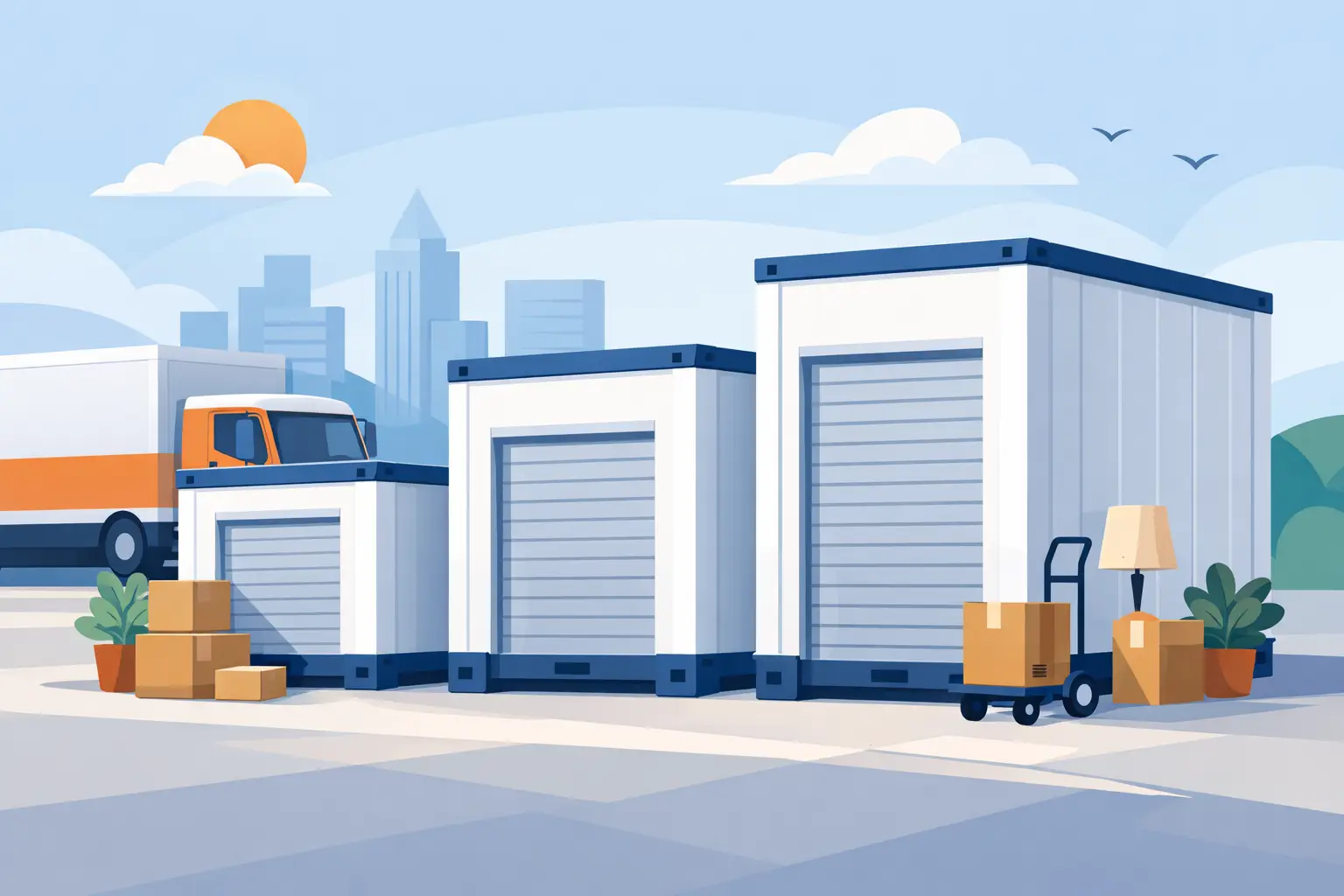
A 16 x 8 container provides 128 square feet of ground-level storage space. It is delivered directly to your home, business, or jobsite, so you can load at your own pace instead of rushing through a truck rental window or making repeat trips to a storage facility.
The ground-level design matters. You can walk belongings directly into the container without carrying furniture up a ramp into a truck. That makes a noticeable difference when you are moving heavy dressers, appliances, boxes of books, tools, or materials for a renovation.
The container needs a clear, reasonably level area for delivery and placement. Before booking, think about the available driveway, side yard, parking area, or jobsite space. A moving and storage specialist can help you confirm whether the delivery location is suitable and discuss the best placement for easy loading.
What Can Fit in a 16 x 8 Storage Container?
There is no perfect formula because households and businesses store very different things. A lightly furnished apartment, for example, can take up less room than a one-bedroom home filled with solid wood furniture, seasonal equipment, and a garage full of boxes.
A 16 x 8 container is often a practical choice for storing the contents of several rooms, supporting a staged move, or clearing furniture and belongings during a renovation. It can also handle business inventory, equipment, boxed files, supplies, and jobsite tools when those items are packed with a plan.
For a larger household move, two or more containers may be the better solution. This is especially true if you are moving a multi-bedroom home, storing furniture from a basement and garage, or combining household goods with outdoor equipment. More than one unit can also make loading easier because you can separate categories, such as furniture in one container and boxes or business inventory in another.
The best approach is to consider your actual inventory, not just the number of bedrooms in your home.
Items That Use Space Faster Than Expected
Large furniture is usually the first factor. Sectional sofas, king-size mattresses, hutches, large dining tables, exercise equipment, and oversized chairs can quickly change how much space you need. Garage and basement contents are another common surprise. Shelving, tools, bikes, tires, holiday decorations, and storage bins often add up to more than expected.
Appliances also need careful planning. Refrigerators, freezers, washers, dryers, and stoves should be prepared according to manufacturer guidance before storage or transport. Empty them, clean them, and make sure they are dry. Protect corners and surfaces so they do not get scratched while loading.
If you are unsure whether one container is enough, it is usually better to discuss your inventory before delivery. Flexible container quantities can prevent a last-minute scramble when moving day arrives.
Choose a Size Based on Your Project, Not Just Your Home
Moving storage container sizes should match the job you are trying to complete. A move is only one reason to rent portable storage.
Moving Between Homes
Portable storage works especially well when your closing dates do not line up perfectly. You can load your container at the old home, have it stored at a secure facility if needed, and arrange delivery when you are ready at the new address. You avoid unloading into a truck, loading into storage, and then loading again for the final move.
For a smaller move, one 16 x 8 unit may be enough. For a family home or a move that includes a garage, shed, and basement, multiple units can give you the space and organization you need. Keep items you will need first, such as bedding, daily kitchen supplies, and important documents, near the container door or in a separate clearly labeled area.
Renovations and Home Staging
Renovations are easier when furniture is out of the way. A container placed on-site gives you a secure place for belongings while contractors work, without filling every spare room in the house. It is also useful during flooring, painting, kitchen updates, or repairs where dust and traffic could damage furniture.
For home staging, a 16 x 8 unit can help remove personal items, extra furniture, and clutter that make rooms feel smaller. The goal is not to empty every room. It is to create open, usable spaces that help potential buyers see the home clearly.
Downsizing and Estate Transitions
Downsizing rarely happens in a single afternoon. You may need time to sort, donate, sell, give away, or keep belongings from a longtime home. Portable storage gives you breathing room during that process. You can pack what you know you are keeping, then make decisions without piles taking over every room.
In these situations, one container can be a useful starting point, but the final quantity depends on how much furniture and household storage has accumulated over the years. A conversation with a storage specialist can help you avoid underestimating the project.
Business and Construction Storage
For local businesses, a 16 x 8 container can create practical storage exactly where work is happening. Retailers may use it for inventory during a reset or relocation. Offices can store boxed files, furniture, and equipment during renovations. Contractors can keep tools, materials, and supplies close to the jobsite.
On-site storage saves time when crews no longer have to travel back and forth for commonly used equipment. Still, placement matters. Keep enough room for safe access, delivery vehicles, employee parking, and the flow of work around the container.
How to Make the Most of Your Container Space
Good packing can make one container go much further. Start with a simple plan: heavy, durable items on the floor; larger furniture along the sides; lighter boxes and soft items higher up where safe. Fill drawers with lightweight items when appropriate, but avoid making furniture too heavy to move safely.
Use uniform, sturdy boxes whenever possible. They stack more securely than a mix of loose bags and mismatched cartons. Label boxes on more than one side so you can identify them after they are stacked. Wrap furniture to protect finishes, and use straps or tie-downs to reduce shifting during transport.
Do not build a wall of boxes directly behind the container door if you will need regular access. Leave a narrow aisle or keep frequently needed items near the front. For renovation storage, that could mean leaving paint supplies, a tool tote, or replacement fixtures accessible. For a move, it may mean keeping your first-night essentials within reach.
Avoid storing hazardous, flammable, perishable, or illegal items. If you have questions about a specific item, ask before loading rather than finding out later that it cannot be stored or transported.
On-Site Storage or Facility Storage?
The right container size is only one part of the decision. You also need to choose where the container will stay.
On-site storage is useful when you need ongoing access during a renovation, business project, or extended packing period. Your belongings remain right outside, ready when you need them. Facility storage can be a better fit when you need your driveway back, are between homes, or do not have room to keep a container at your location.
Both options give you control over loading because you pack the container yourself. The key difference is whether you need daily access or simply need a secure place to keep items until the next stage of your move.
Questions to Ask Before You Reserve
Before selecting your container quantity, estimate the furniture, boxes, appliances, garage items, and business materials you need to store. Then consider whether you are packing everything at once or in stages. A staged move may benefit from an extra container even if the total volume seems manageable in one unit.
Also ask about delivery timing, rental flexibility, container placement, and pickup options. A clear quote should reflect the number of units and your delivery location, with no guesswork about the basic logistics. For customers throughout Belleville, Prince Edward County, and the surrounding region, local support can make planning much simpler when schedules change.
The most useful container is not the one that looks biggest on paper. It is the one that gives you enough room to pack safely, find what you need, and move forward without turning your driveway, home, or jobsite into a bottleneck. Request a free quote, talk through your inventory, and choose the space that fits the way your project will actually unfold.
