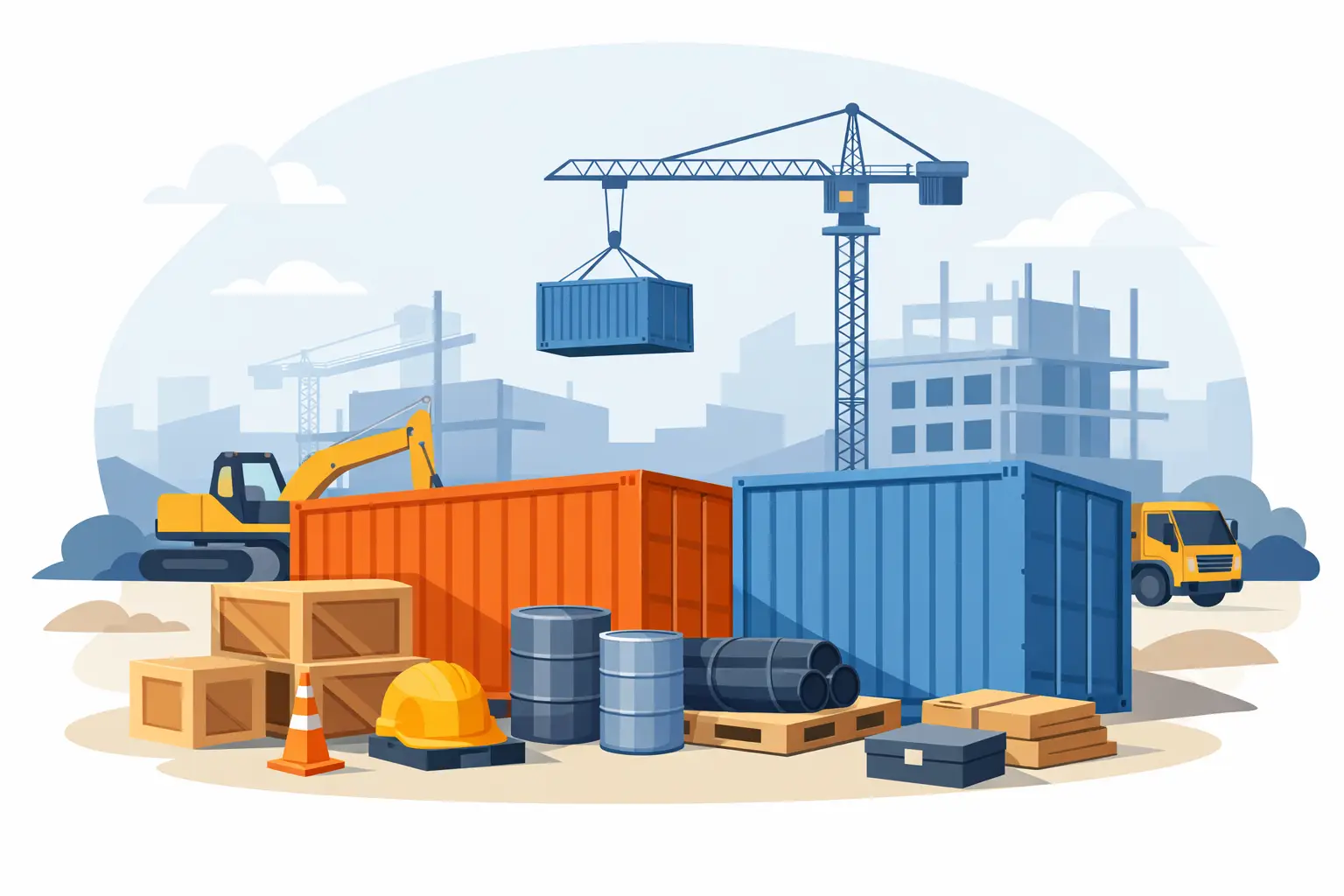
A jobsite can lose time fast when tools are scattered, materials are exposed, and crews keep walking back to trucks for basic supplies. That is why on site storage for construction matters more than most people think. Done right, it protects equipment, keeps work moving, and cuts down on the daily friction that slows a project down.
For contractors and small construction teams, storage is not just about having extra space. It is about keeping the site functional. A good setup helps with security, weather protection, staging, and workflow. A bad setup creates clutter, waste, and expensive delays.
Why on site storage for construction matters
Construction sites change by the day. One week you are framing, the next you are waiting on electrical, and suddenly there are pallets, ladders, finish materials, and rented equipment all competing for space. If storage is an afterthought, the site gets harder to manage with every trade that arrives.
On site storage for construction gives crews one consistent place to keep what they need. That sounds simple, but it has a real effect on productivity. When tools are easy to access and materials stay where they belong, there is less downtime and less confusion between teams.
Security is another big factor. Leaving expensive tools and supplies out in the open invites problems. Even smaller losses add up over the life of a project. Weather matters too. Moisture, wind, and temperature swings can damage materials long before they are installed.
There is also the issue of professionalism. Homeowners, property managers, and commercial clients notice whether a site looks controlled or chaotic. Clean, secure storage helps a project look managed from day one.
What a good construction storage setup should do
The right storage option should fit the pace and conditions of the project, not create extra work. For most sites, that means the container or unit needs to be easy to place, easy to load, and secure enough for daily use.
Ground-level access is a practical advantage. It makes loading heavy tools, boxes, and materials far easier than lifting everything into a truck or trailer bed. When crews can walk items in and out without ramps or repeated repositioning, setup goes faster and strain goes down.
Weather protection is just as important. A storage unit should keep contents dry and protected through changing site conditions. If you are storing power tools, flooring, fixtures, or boxed materials, that protection is not optional.
Flexibility matters too. Construction schedules move. Deliveries shift. Permits get delayed. The best storage arrangements give you room to adapt without forcing a long list of extra steps.
When portable storage makes the most sense
Not every jobsite needs the same solution. A large commercial build may use multiple storage systems at once. But for many residential builds, renovations, and light commercial jobs, portable containers are a practical middle ground between no storage and a full site trailer.
They work especially well when a crew needs secure storage close to the work area but does not want the hassle of driving tools back and forth every day. They are also useful when a homeowner still occupies the property during a renovation and the contractor needs to keep equipment organized without taking over the garage or driveway.
Portable storage is often the right call for remodeling projects, roofing jobs, additions, seasonal exterior work, and phased renovations. It can also help when subcontractors need a central drop point for materials before installation.
For smaller contractors, this setup can make a job feel more controlled without a major overhead jump. You get the benefit of dedicated storage without committing to a permanent yard or relying on crews to transport everything themselves.
What to store and what to think twice about
Most construction teams use on site storage for construction to hold tools, fasteners, safety gear, smaller equipment, boxed fixtures, and materials that need to stay clean and dry. It is also useful for keeping the site stocked with items that crews use every day, from extension cords to replacement blades.
That said, not everything belongs in the same container. High-value tools may need extra locking procedures. Temperature-sensitive products may require more care, especially during periods of extreme heat or cold. Hazardous materials can come with separate handling rules and should never be stored casually just because there is empty space available.
The best approach is to treat the unit like part of the job plan, not a dumping zone. If people know where items go and what should stay out, the storage actually saves time. If everything gets tossed inside randomly, the container turns into another source of delay.
Common mistakes that create jobsite headaches
One of the biggest mistakes is choosing a storage unit that is too small. At first, it may look efficient. Two weeks later, the door barely opens because materials have been stacked wherever they fit. Crews waste time shifting things around just to reach basic tools.
Another common issue is poor placement. If the unit is too far from the work area, people stop using it properly. If it blocks access for deliveries or interferes with other trades, it becomes part of the problem. Placement should support the flow of the site, not fight it.
Some teams also underestimate how often the contents will change. Early-stage tools, mid-project materials, and finishing supplies all have different storage needs. A unit that works on day three may need to be reorganized by week five.
Then there is security. A container helps, but it is not a substitute for good habits. Crews still need to lock up consistently, track high-value items, and avoid leaving expensive equipment out overnight because the site was busy.
How to choose the right on site storage for construction
Start with the project timeline. A short repair job may only need temporary storage for a brief window. A renovation or new build may need it for much longer. Knowing the likely duration helps you choose a setup that stays practical as the job evolves.
Next, think about what is actually being stored. If the container will mostly hold hand tools and consumables, the layout can stay simple. If it needs to hold bulky equipment, boxed cabinetry, or staged finish materials, space planning becomes more important.
Access matters more than many people expect. Ask how easily the unit can be delivered, where it can sit without disrupting the site, and how crews will move items in and out every day. A convenient setup gets used. An awkward one gets bypassed.
It also helps to work with a local provider that understands real site conditions and scheduling changes. Contractors do not need complicated systems. They need straightforward delivery, clear communication, and storage that fits the job. That practical approach is one reason portable container options from local companies like Storbox Mobile appeal to crews and property owners who want less hassle.
Why local service can make a difference
Storage looks simple until timing gets tight. Maybe the project starts earlier than expected. Maybe another trade needs more room. Maybe the container has to be repositioned or kept longer. Those details matter when the site is active and people are waiting.
A local, responsive provider can make this easier because the service is built around actual schedules, not rigid facility rules. That can be especially helpful on residential jobs where access is tighter and homeowners want the property kept as orderly as possible.
For builders and contractors working in Belleville, Trenton, Prince Edward County, and nearby communities, local delivery and pickup can save time and reduce the back-and-forth that often comes with off-site storage. You get space where you need it, when you need it, without adding another stop to the workday.
The real value is fewer disruptions
The best thing about jobsite storage is not the container itself. It is what stops happening once you have it. Fewer lost tools. Fewer weather-damaged materials. Fewer trips across town. Fewer delays caused by clutter and poor staging.
That is the practical value of on site storage for construction. It keeps the site cleaner, the crew more efficient, and the project easier to manage. And when a job is already full of moving parts, removing even a few daily obstacles can make a noticeable difference.
If you are planning a build, renovation, or phased project, think about storage early instead of waiting for the mess to show up. A simple, well-placed unit can do more than hold materials. It can give the whole job a better rhythm from the start.
