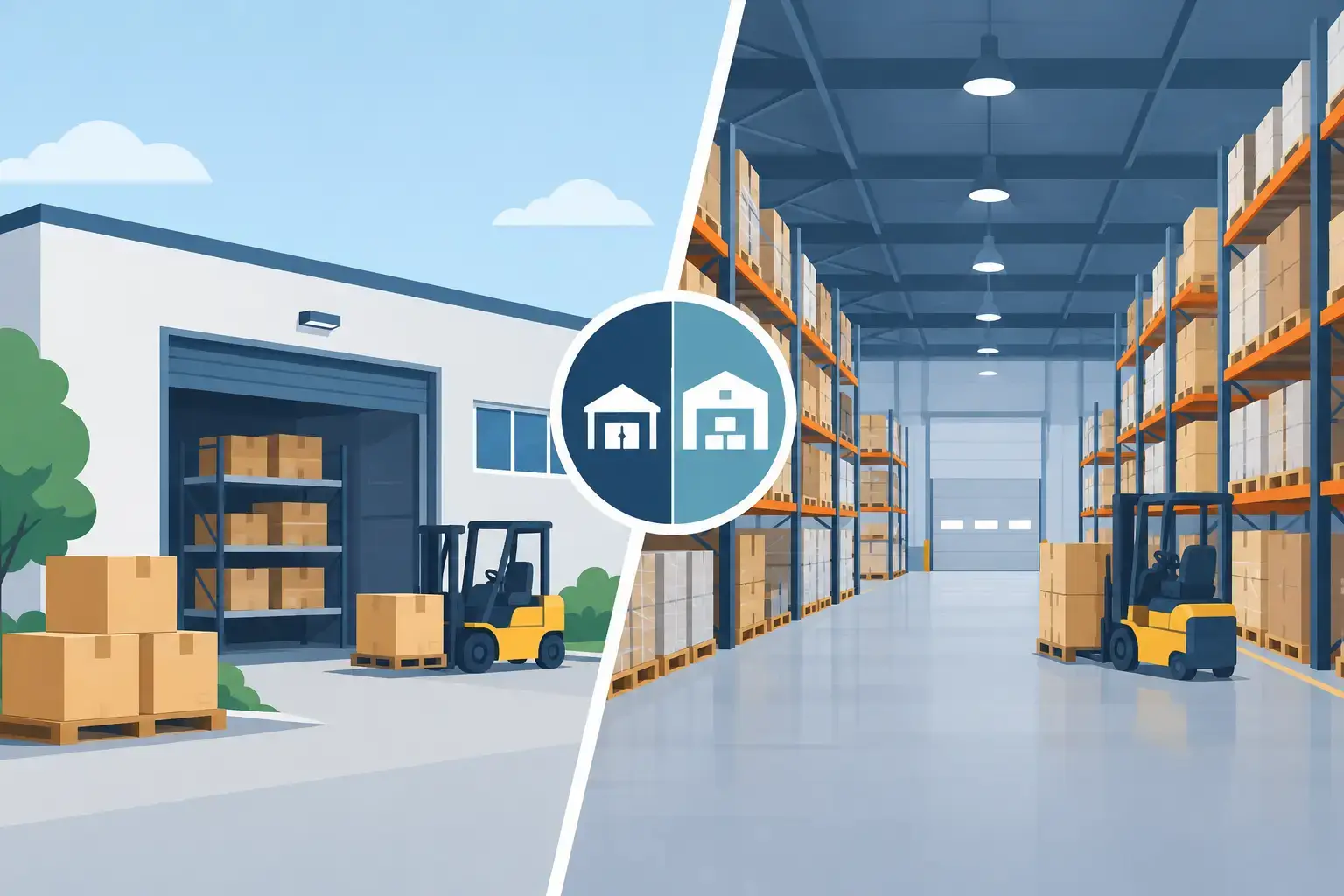
A kitchen renovation, a move with overlapping closing dates, or a crowded jobsite can make storage feel like one more problem to solve. When comparing onsite storage vs warehouse storage, the best choice comes down to a simple question: Do you need your belongings within reach, or do you need them safely out of the way?
Both options can protect your belongings and create breathing room. The difference is how much access, space, and flexibility you need while your project is underway. For many households and businesses, portable storage provides the option to start onsite and move to secure facility storage later if plans change.
What Is Onsite Storage?
Onsite storage means a storage container is delivered directly to your home, business, or jobsite. You load it at ground level, on your own timeline, and keep it where you need it for as long as your rental period lasts.
This is often the practical choice when you are actively using the items inside. During a renovation, for example, you may need to rotate furniture, tools, materials, and boxes in and out of storage as each room is completed. A contractor may need fast access to equipment, supplies, or inventory without making repeated trips to a storage facility.
With a portable container, the loading process is also simpler than traditional self-storage. There is no truck rental, no drive across town with a full load, and no need to unload everything twice. You pack once, then decide whether the container stays at your property or goes to a secure storage facility.
When Onsite Storage Makes the Most Sense
Onsite storage is a strong fit for home renovations, restoration work, staging a house for sale, seasonal business inventory, and construction projects. It is especially useful when the work changes daily and access to your items saves time.
A 16 x 8 container can create meaningful space without taking over the entire property. It gives you a weather-tight place to store furniture, boxed belongings, tools, materials, or business supplies while keeping your garage, basement, workspace, or living areas clear.
Placement matters, particularly on tight residential lots or busy commercial properties. Storbox Mobile uses a Mule placement system that keeps containers level during delivery and can maneuver through narrow driveways, turns, slopes, and confined sites. That means the container can be positioned where it works for your project, rather than where a large delivery truck can only reach.
What Is Warehouse Storage?
Warehouse storage means your belongings are kept at a secure offsite facility rather than on your property. This option is useful when you need to reclaim your driveway, yard, parking area, or jobsite completely.
For a move, warehouse storage can be the better answer if there is a gap between homes. You can load your container at your current address, have it picked up and stored securely, then arrange delivery when your new home is ready. You avoid the usual cycle of loading a rental truck, unloading at a facility, loading again, and unloading at the new home.
Offsite storage also works well for long-term needs. A small business may want archived files, seasonal displays, excess inventory, or equipment stored away from a limited workspace. A family that is downsizing may need time to sort through belongings without filling the new home with boxes.
When Warehouse Storage Is the Better Choice
Choose warehouse storage when access is occasional rather than daily. If you are storing items for several months, waiting for a home purchase to close, traveling, or clearing space before a major life change, keeping the container offsite can make daily life easier.
It is also the better choice when there is not enough room to safely place a container at your property. Shared driveways, restricted parking areas, homeowner association rules, limited jobsite space, or a need to keep customer parking open can all affect whether onsite storage is practical.
The trade-off is access. Your belongings are secure and out of the way, but you cannot walk outside and retrieve an item whenever you want. Before choosing warehouse storage, set aside the things you may need sooner: important documents, seasonal clothing, work tools, medications, children’s essentials, and items needed for the first few days after a move.
Onsite Storage vs Warehouse Storage: The Real Differences
The biggest difference between onsite storage and warehouse storage is not the container. It is the role storage plays in your day-to-day plan.
Onsite storage gives you immediate access. It can reduce downtime during a renovation or job because supplies and belongings are right outside. It is also a practical way to pack gradually. Instead of committing to one exhausting moving day, you can load room by room as your schedule allows.
Warehouse storage gives you back your space. It removes the container from your property while keeping your belongings protected until you are ready for them. This can be a relief during a long move, a smaller-home transition, or a project where every available parking and work area matters.
Cost should be considered in terms of the full process, not just the monthly storage rate. Traditional self-storage often involves a truck rental, fuel, travel time, and multiple rounds of lifting. A portable storage container can reduce those steps because you load once. The right option is the one that prevents unnecessary trips, extra labor, and delays.
Questions to Ask Before You Decide
Start with how often you will need access. If the answer is several times a week, onsite storage will usually be more convenient. If the answer is rarely or not at all until a future move date, warehouse storage may be the cleaner solution.
Then consider the timeline. A two-week renovation may call for keeping a container nearby. A six-month gap between homes may make secure offsite storage more practical. If your schedule is uncertain, look for flexible rental terms so you are not forced into a decision before you are ready.
Finally, look at your property realistically. Measure the available space, think about vehicle access, and consider whether the container will interfere with daily routines. A professional delivery team can help assess the placement area and recommend an approach that protects the driveway and keeps the container accessible.
A Flexible Option for Moves and Projects
You do not always have to decide between onsite and warehouse storage at the beginning. That flexibility is one of the main advantages of mobile storage.
You might keep the container onsite while sorting, renovating, or packing. Once you no longer need daily access, it can be picked up and moved to a secure facility. Later, it can be delivered to your next home or business location when the timing is right.
This approach works particularly well for families managing a move in stages. It also gives local contractors and business owners room to adapt when project timelines shift, weather delays work, or a customer’s completion date changes.
Make Storage Work Around Your Schedule
The right storage choice should make your project feel more manageable, not add another list of errands. Keep storage onsite when access and speed matter most. Move it to warehouse storage when clearing your property and protecting your timeline matter more.
A good plan leaves room for the unexpected. Choose a storage solution that lets you pack at your pace, keep what you need close, and move the rest out of the way when you are ready.
