A move, renovation, or downsizing project can turn a comfortable home into a maze of boxes faster than expected. A residential storage container gives you a practical place to put those belongings without making repeated trips to a storage facility or rushing to return a rental truck. It is storage delivered to your driveway, where you can load it on your own schedule.
For households across Belleville, Quinte, Prince Edward County, and nearby communities, that flexibility can make a stressful project much more manageable. The right option depends on your space, timeline, and what you need to store, but portable storage is often a simpler answer than traditional self-storage.
What Is a Residential Storage Container?
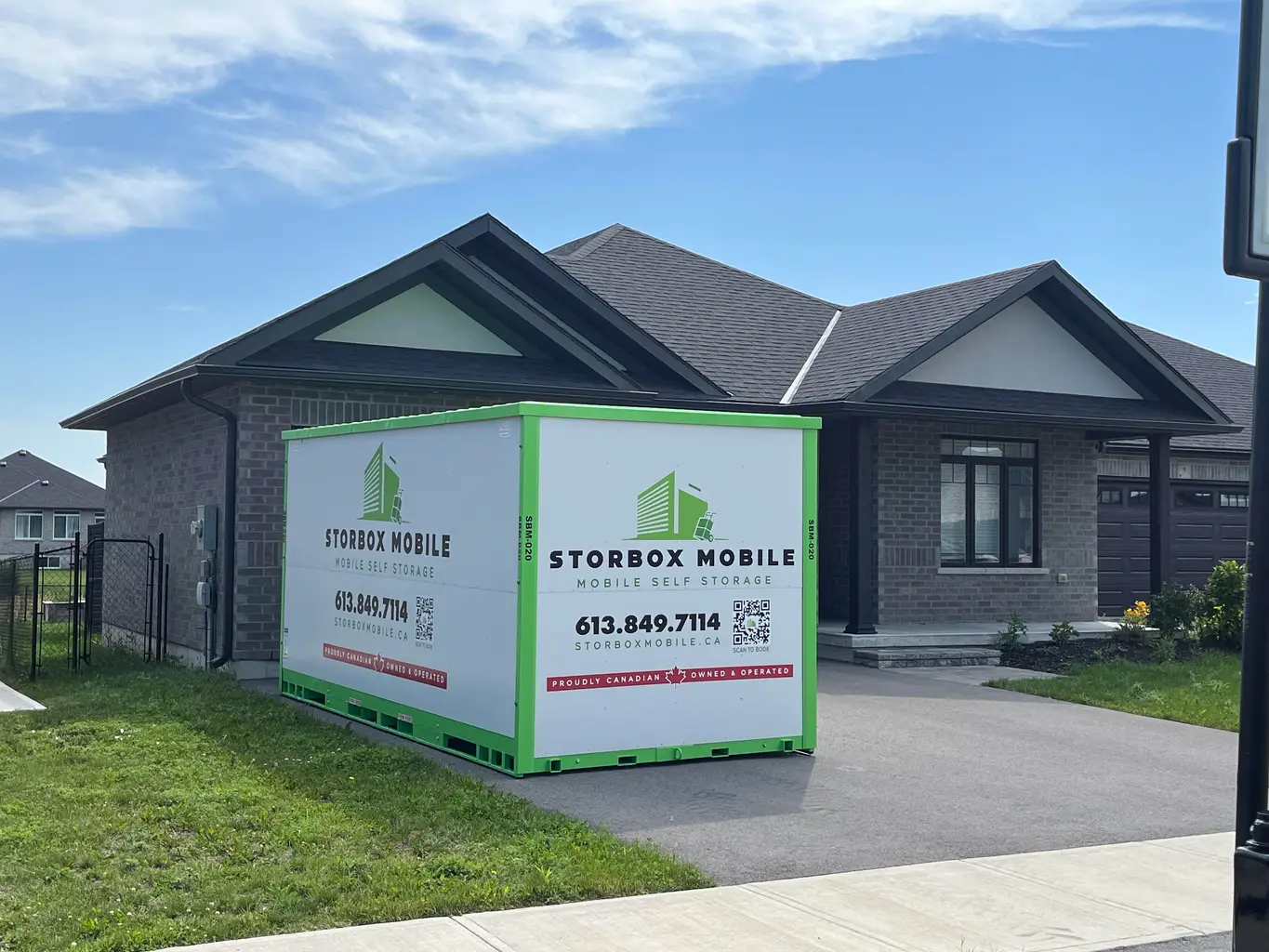
A residential storage container is a large, ground-level portable unit delivered directly to your property. At Storbox Mobile, a standard unit measures 16 by 8 feet, providing substantial room for furniture, boxes, seasonal items, appliances, tools, and other household belongings. Self storage that moves with you !
Once the container is delivered, you load it yourself. There are no steep truck ramps to navigate and no need to load a truck, unload it at a facility, then reload it again later. When you are ready, the container can stay on your property for convenient access or be picked up and stored at a secure facility.
That one-load approach is the main advantage. Your belongings are packed once and remain in the same container until you need them again.
When Portable Storage Makes the Most Sense
A portable container is not just for moving day. It works best when life does not fit neatly into a one-day plan.
Moving without a tight deadline
Traditional moving often requires everything to happen at once. You pick up a truck, load quickly, drive it, unload it, and return it within a limited rental period. That can be difficult when closing dates change, help is only available on weekends, or you need time to sort through years of belongings.
With a container at your home, you can pack room by room. Start with items you will not need right away, then work toward daily essentials as your moving date gets closer. If there is a gap between homes, your container can be picked up for storage until you are ready for delivery at the next location.
Renovating one room or the whole house
Renovations create dust, disruption, and a surprising amount of displaced furniture. Moving items into another room may protect them from paint, but it can also make the rest of the house difficult to live in.
A residential storage container gives you a nearby place to clear out a kitchen, basement, living room, or garage while work is underway. It can keep furniture and boxed items out of the contractor’s path while leaving them close enough to retrieve when needed. For longer projects, confirm that you have enough driveway or property space and that the container placement will not interfere with crews, deliveries, or local access requirements.
Selling or staging a home
Buyers notice space. Crowded shelves, overfilled closets, and furniture that blocks natural traffic flow can make even a well-kept home feel smaller than it is.
Portable storage gives homeowners a place to move excess furniture, personal collections, off-season clothing, and packed boxes while the home is being shown. Unlike giving items away too soon or filling every closet at a relative’s house, you keep your belongings together and under your control until the sale is complete.
Downsizing with time to decide
Downsizing is rarely just a logistics project. It often involves decisions about furniture, family keepsakes, paperwork, and items that may go to children or grandchildren. Those choices take time.
Keeping a container on-site allows you to sort without forcing every decision into a single weekend. Pack what you know you are keeping, set aside what will be donated or sold, and leave yourself room to make careful choices. If you are preparing a family home for sale, this can reduce pressure for everyone involved.
Creating temporary space at home
Sometimes you are not moving or renovating. You may simply need room for a new baby, a home office, a visiting family member, or a major seasonal cleanup. A storage container can help reclaim a garage, basement, spare room, or shed without permanently parting with items you still use.
How the Process Works
The value of portable storage comes from keeping the process simple. First, choose the container size and delivery timing that fit your project. A local moving and storage specialist can help you think through quantity, access, and rental length before delivery is scheduled.
Next, the unit is delivered to your property and placed at ground level. You pack at your own pace. For a household move, it helps to begin with heavier furniture and boxes you will not need immediately. Keep frequently needed items near the door, and create a clear aisle so you can reach the back of the container safely.
When loading is complete, you decide what happens next. Keep the container on-site if you still need regular access, have it transported to your new address, or arrange pickup for storage at a secure facility. Flexible rental terms matter here because projects do not always follow the original calendar.
What to Check Before You Reserve
Portable storage is convenient, but a little planning prevents avoidable problems. Measure the intended placement area, including driveway width, overhead clearance, and turning space for the delivery vehicle. Consider whether cars, gates, utility lines, low branches, or construction materials could block access.
You should also think about the surface. A level, firm driveway is generally the best placement option. Grass, soft ground, steep slopes, and narrow lanes may require a conversation before delivery so the container can be placed safely and appropriately.
If you live in a condo community, apartment complex, or neighborhood with an association, check whether there are rules about temporary containers. Some properties have limits on placement duration or require advance approval. It is easier to verify this before delivery than to solve it after the container arrives.
Finally, be realistic about what belongs in storage. Household furniture, boxed possessions, tools, and business inventory are common choices. Perishable food, hazardous materials, flammables, and anything illegal should never be stored in a portable container. If you are unsure about a specific item, ask before packing it.
How to Pack a Storage Container Safely
A weather-tight container helps protect your belongings, but good packing does much of the work. Use sturdy boxes, label them clearly, and keep heavier boxes at the bottom. Place mattresses and large furniture along the sides to create a stable base, then fill gaps with lighter boxes or soft items to limit shifting.
Do not stack boxes higher than you can safely manage. Weight should be distributed evenly from side to side, especially when loading appliances, tool chests, or solid wood furniture. Use tie-downs or straps for tall items, and protect furniture with moving blankets or covers.
It also pays to make a quick inventory as you pack. A simple list or photos of the container’s contents can save time later, especially if you are storing items during a renovation or a move with multiple stages.
On-Site Storage or Facility Storage?
The better choice depends on access. On-site storage is ideal when you need to add or remove items regularly, such as during a renovation, cleanup, or business project. Your belongings remain right outside, ready when you need them.
Facility storage is useful when you need your driveway back, have an extended gap between homes, or want belongings stored away while a property is being staged. You still avoid the repeated handling that comes with unloading a truck into a self-storage unit because the same container is picked up and stored.
Price can vary based on delivery location, number of containers, transportation needs, and rental duration. A quote-based service is helpful because it reflects the actual details of your project instead of forcing you into a one-size-fits-all package.
A Better Fit for Real-Life Timelines
The best storage plan is the one that gives you room to handle the unexpected. Whether you are moving across town, clearing space for a renovation, or helping a family member downsize, a residential storage container keeps the work close, organized, and on your schedule.
Before you start packing, take five minutes to measure your space, estimate what you need to store, and plan your ideal delivery date. That small bit of preparation can turn a complicated project into a much more manageable one.
