If you’re trying to coordinate a move, clear space for a renovation, or keep supplies secure on-site, a portable storage container rental guide can save you from a lot of wasted time and extra lifting. The biggest advantage is simple: the container comes to you, stays where you need it, and gets picked up when you’re ready. That means fewer trips, no truck rental to manage, and no loading your belongings twice unless you choose to.
For many homeowners and small business operators, that convenience is the difference between a manageable project and a stressful one. Portable storage works well because it gives you control over timing. You pack at your pace, keep the unit on-site if that makes sense, or have it moved to a secure facility if you need the space back.
When portable storage makes the most sense
Portable storage is not just for moving day. It’s often the better option when your schedule is uncertain or your project unfolds in stages. If you’re selling a home, a container can help you remove extra furniture and personal items quickly so the property shows better. If you’re renovating, it creates a weather-tight place to protect furniture, tools, or materials without filling your garage or every spare room in the house.
It also makes sense for downsizing. Instead of making rushed decisions about what stays and what goes, you can pack carefully and sort items over time. For business owners and contractors, on-site storage can keep equipment and inventory close at hand without forcing daily trips to an off-site facility.
The trade-off is that not every property has the same amount of space or access. A portable unit works best when there is enough room for delivery and a stable area for placement. If your driveway is tight, sloped, or difficult to reach, you may need to talk through options before booking.
How a portable storage container rental usually works
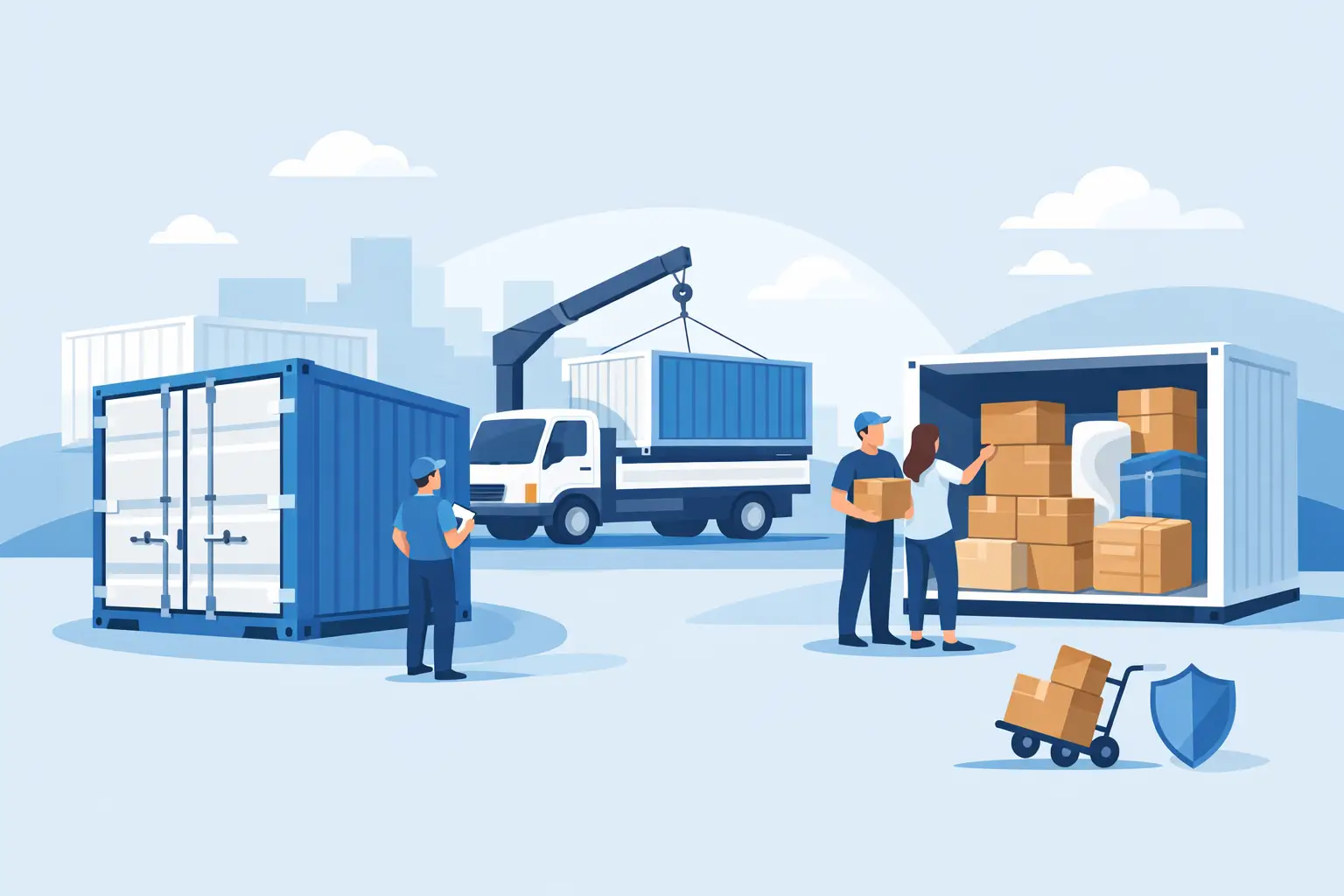
The process is straightforward when the company keeps it simple. You request a quote, confirm the unit size and delivery location, and choose whether the container stays on your property or goes to storage after loading. Once it’s delivered, you load on your own schedule rather than racing against a truck return deadline.
After that, you decide what happens next. Some customers want the container picked up and brought to a secure storage facility. Others want it moved to a new address as part of a home move. Some keep it on-site for a short rental while they finish a project.
That flexibility is what separates portable storage from traditional self-storage. With a regular storage unit, you still have to rent or borrow a vehicle, load everything into it, drive across town, unload it into the unit, and then reverse that process later. A ground-level container cuts out much of that effort.
What to look for in a portable storage container rental guide
A good portable storage container rental guide should help you compare more than just the monthly rate. Price matters, but it is only one part of the decision. The easier question is, what does the rental actually include?
Start with container design. Ground-level loading is easier and safer than carrying heavy items up a ramp or into a truck bed. A weather-tight container matters too, especially if your rental spans changing weather or if you’re storing furniture, business records, inventory, or renovation materials.
Next, ask about delivery timing and flexibility. Life transitions rarely follow a perfect calendar. Closing dates shift. Contractors run behind. Renovations take longer than expected. A company that offers flexible delivery and pickup windows can make the whole experience less stressful.
Customer support matters more than many people expect. If you are dealing with a move, a renovation, or temporary business storage, you don’t want to chase down answers every time plans change. Clear communication and one reliable point of contact can make the rental feel much simpler.
Choosing the right container size
One of the most common mistakes is renting too small a container to save money, then needing a second unit or making last-minute changes. A larger unit often gives you better value if you are storing a full home’s worth of furniture, handling a renovation, or combining household and garage items.
A 16 x 8 container is a practical size for many residential and business needs because it holds a substantial amount without being excessive for most driveways and job sites. It can work well for moving several rooms of furniture, storing contents during flooring or kitchen work, or keeping tools and supplies accessible at a business location.
That said, size depends on what you’re storing and how you pack. Bulky sofas, appliances, and boxed household goods take up space differently than shelving, contractor tools, or office inventory. If you’re not sure, it’s worth describing your project in detail when you request a quote rather than guessing.
On-site storage vs. storage at a secure facility
This is one of the biggest decisions in any portable storage container rental guide. On-site storage is ideal when you need daily or frequent access. It works well for renovations, home staging in phases, landscaping projects, and commercial use where tools or materials need to stay close by.
Facility storage makes more sense when you need your driveway or work area cleared, or when you’re between homes and don’t have a practical place to keep the container. It can also be the better choice if access at your property is limited.
Neither option is automatically better. It depends on whether convenience means having your items next to you or getting them out of the way completely. The right provider should let you choose based on your situation, not force you into one model.
What affects the price
Portable storage pricing is usually based on a mix of factors rather than one flat number. Delivery location matters. Rental length matters. The number of units matters. So does whether the container stays on-site, moves to a storage facility, or needs transport to a new address.
This is why quote-based pricing is often more useful than generic advertised rates. A cheap-looking number can leave out transportation, timing, or service details that you actually need. On the other hand, a clear quote tied to your location and project scope gives you a more realistic picture of cost.
When comparing options, ask what is included and what could change the total. That helps you avoid the frustration of unexpected charges later. If a company offers a best price guarantee, that can add confidence, but clear service details still matter just as much as the promise itself.
Questions worth asking before you book
Before renting, ask how much space is needed for delivery, what surface works best for placement, and how much notice is recommended for scheduling. You should also ask how long you can keep the unit, whether the rental period is flexible, and what happens if your timeline changes.
It is also smart to ask about container condition and security. You want a unit that is clean, solid, and built to keep out weather. If you’re storing business tools, household furniture, or items with sentimental value, that peace of mind matters.
If you are in the Belleville or Quinte area, local service can be a real advantage because a nearby team often has a better feel for scheduling, delivery logistics, and how to respond quickly when plans shift. Storbox Mobile, for example, built its service around that kind of flexibility and direct support.
Packing so the rental works in your favor
Even the best container will feel cramped if it is packed poorly. Load heavier items first and place them toward the back to create a stable base. Keep frequently needed items near the front if the unit will stay on-site. Use straps or tie-down points if available, and leave a small walkway only if you expect to access items during the rental.
Try not to treat the container like a dumping zone during a hectic move or renovation. A little planning at the start saves a lot of frustration later. Label boxes clearly, protect furniture with pads or covers, and think about the order in which you’ll want things back.
Portable storage works best when it removes steps, not when it creates a new mess to sort through. The right rental gives you breathing room, control over your schedule, and one less problem to solve all at once. If you’re choosing between traditional self-storage and a container delivered to your property, the simpler option is often the one that keeps your project moving without forcing your life around it.
