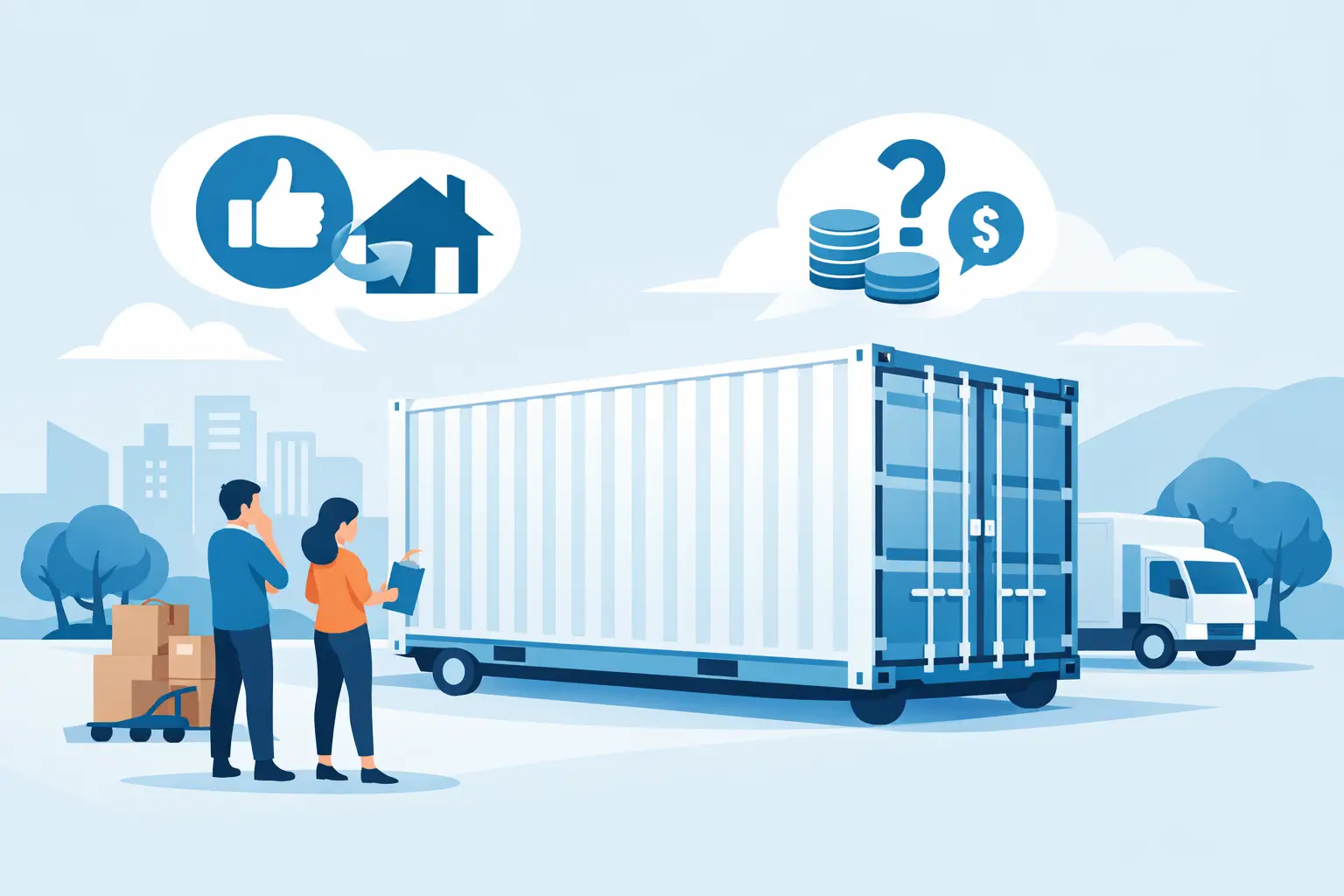
A move can turn into a long chain of errands: reserve a truck, load it, drive it, unload at a storage facility, then repeat the process when you are ready for your belongings. This mobile storage container review looks at a simpler option: having a secure container delivered to your driveway, jobsite, or business location so you can load once and work on your own schedule.
For many households and local businesses, that convenience is the deciding factor. Still, mobile storage is not automatically the right fit for every project. The value depends on where you can place the container, how long you need it, how much you are storing, and whether you need frequent access to your items.
What a Mobile Storage Container Actually Changes
A mobile storage container is a large, ground-level unit delivered directly to your location. With a 16 x 8 container, you get a practical amount of enclosed space for furniture, boxes, tools, inventory, renovation materials, or equipment without climbing a ramp into a rental truck.
The main advantage is simple: you handle your belongings fewer times. Instead of loading a truck, unloading it into a storage unit, and loading it again later, you load the container once. You can keep it on-site for convenient access or arrange for it to be picked up and stored at a secure facility.
That setup works especially well when dates are not fixed. Home closings can shift, renovations can run longer than expected, and a downsizing project rarely gets completed in one weekend. A container at your location gives you room to make decisions without rushing everything into a truck by a certain return time.
Mobile Storage Container Review: The Benefits That Matter
The best mobile storage experience is not just about getting a box dropped off. It is about removing the parts of moving and storage that create extra work, scheduling pressure, and unnecessary handling.
Level loading is easier on people and belongings
Ground-level loading makes a real difference when you are moving dressers, appliances, heavy bins, or awkward furniture. You can walk items directly into the container rather than carrying them up a steep truck ramp. This can make loading safer and easier to manage with family members, friends, or a small moving crew.
It also gives you time to load thoughtfully. Put heavier items low and toward the front, keep frequently needed items near the doors, and use straps or packing materials to prevent shifting. A well-loaded container protects your belongings better than a rushed truck load.
Your schedule stays in your hands
Traditional truck rentals run on a clock. Self-storage facilities may also require you to drive back and forth whenever you need another load. Mobile storage lets you pack over several days or weeks, depending on your rental arrangement.
That flexibility is useful for homeowners preparing to sell. You can move excess furniture, seasonal items, and packed boxes out of the house while keeping what you need for daily life. For a renovation, you can clear a room before contractors arrive and bring items back only after the work is finished.
On-site access can save serious time
Keeping the container at your property is often the best choice when you expect to need your items during the project. A contractor can store tools and materials near the work area. A retailer can create temporary room for extra inventory. A family can access stored furniture as rooms are completed.
Off-site storage has its own advantage: it gets the container out of your way while keeping your belongings secured until you are ready. The right choice comes down to access. If you need something every few days, on-site storage is usually more practical. If you will not need anything for months, pickup and secure storage may make more sense.
Weather protection and security are part of the service
Storage containers should be weather-tight, clean, and designed to keep belongings protected during the rental period. Ask how the unit is inspected between rentals and what condition you can expect at delivery. Your packing still matters, particularly for electronics, documents, and delicate belongings, but a solid container gives those items a far better starting point than a garage, shed, or covered porch.
Security also deserves a direct question. Find out how the container locks, whether you provide your own lock, and what procedures apply if the unit is stored off-site. Clear answers are more useful than vague promises.
Where Mobile Storage May Not Be the Best Option
A fair review should cover the trade-offs. Mobile storage needs a suitable delivery area. Before booking, consider driveway width, overhead clearance, slopes, low branches, parked vehicles, gates, and utility lines. The provider should explain what space is needed and help you determine whether delivery is workable.
Some neighborhoods, apartment buildings, condominium communities, and municipalities have rules about temporary containers. It is smart to check before delivery, especially if the unit will remain in place for more than a few days. A local provider that understands the area can help identify the questions worth asking, but property approval remains your responsibility.
Mobile storage also may not suit someone who needs constant, immediate access to a large number of small items. If you run a business that pulls inventory every day, a warehouse or dedicated commercial storage space may be more efficient. Likewise, if you only have a handful of boxes, a full-size container could be more space than you need.
How to Compare Mobile Storage Quotes
Price matters, but the lowest number is not always the lowest total cost. Ask for a clear quote that identifies delivery, pickup, monthly rental, transportation to a storage facility if needed, and any applicable fees. Quote-based pricing is useful because delivery distance, container quantity, and rental duration can all affect the cost.
Compare what each company actually includes. A less expensive service can lose its appeal if it limits delivery timing, charges heavily for schedule changes, or leaves you managing complicated logistics. The goal is predictable value, not a surprise after the container is already loaded.
When reviewing providers, look for these practical details:
- The container size and whether it fits your expected load
- Delivery placement requirements and whether level loading is available
- Rental flexibility if your move or project takes longer than planned
- On-site and off-site storage options
- Weather protection, lock requirements, and facility security procedures
- Clear transportation and rental charges, with no unclear add-ons
Personal support matters, too. Moving plans change. Renovation schedules slip. A responsive moving and storage specialist can help adjust the plan instead of leaving you to navigate an automated system when you need an answer.
Who Gets the Most Value From Delivered Storage?
Families moving between homes often see the biggest benefit because the container bridges the gap between two dates. You can pack gradually before closing, keep the unit on-site while you sort, or have it stored until your new home is ready.
Renovation customers benefit because furniture and belongings are protected from dust, paint, and crowded work areas. Rather than piling everything into another room, you can create usable space for the project.
For downsizing, the container becomes a practical sorting zone. It gives you time to decide what belongs in the new home, what should be donated, and what you want to keep without filling every room with boxes.
Businesses and contractors can use mobile storage as flexible on-site capacity. It is useful for tools, supplies, seasonal materials, documents, or temporary inventory. The key is to plan the layout so workers can reach what they need without unloading half the container.
A Practical Way to Prepare Before Delivery
Measure the intended placement area and clear obstacles before the delivery date. Decide which items need to go in first, then gather boxes, moving blankets, straps, and labels. Keep an aisle if you will need to access stored items later.
Avoid storing hazardous materials, perishable goods, illegal items, and anything that could leak, create odors, or damage the container. If you are uncertain about an item, ask before loading it. That quick conversation can prevent a problem later.
For residents and businesses across the Quinte area, Storbox Mobile provides locally owned and operated service with flexible delivery timing, secure 16 x 8 containers, and a Best Price Guarantee. The useful question is not whether mobile storage is better in every situation. It is whether loading once, storing where you need it, and working on your own timeline will make your specific project easier.
If the answer is yes, a mobile container is more than extra storage. It is a practical way to give yourself breathing room when there is already plenty to manage.
