A move rarely happens in one clean, predictable day. Closing dates shift, renovations run long, and the new place may not be ready when the old one has to be empty. Moving storage gives you room to handle those gaps without rushing through a truck rental, loading everything twice, or making repeated trips to a storage facility.
With a portable storage container delivered to your property, you decide when to pack. Keep it on-site while you sort, stage, renovate, or move in stages. When you are ready, the container can be picked up and stored at a secure facility. It is a practical option for people who need more control over a busy transition.
How moving storage works
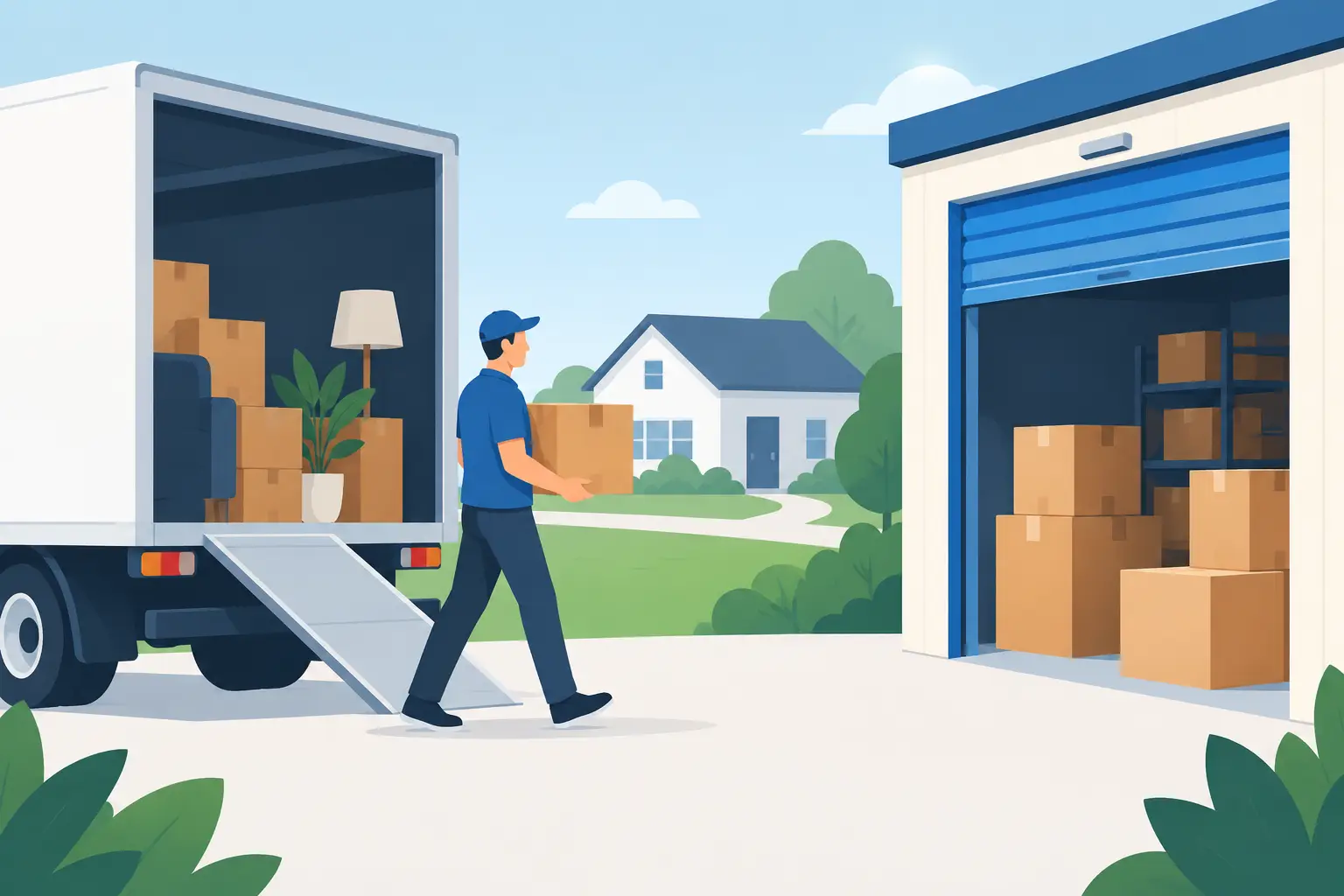
The process is simple because the storage comes to you. A large ground-level container is delivered where you need it, whether that is a driveway, a jobsite, or a business property. You load it on your own schedule, without carrying furniture up a loading ramp or trying to finish before a truck rental deadline.
Once packed, you have two basic choices. Leave the container at your location for convenient access, or arrange for it to be picked up and stored off-site. When it is time to unload, the container is delivered to your new address or back to your property.
That means your belongings are generally loaded once, transported in the same container, and unloaded once. Fewer handling steps can save time and reduce the chance of damage that comes with moving items from a house to a truck, from a truck to storage, and then back into another truck.
Ground-level loading changes the job
A 16 x 8 mobile storage unit provides a useful amount of space for household items, equipment, inventory, and renovation materials. Just as important, it sits at ground level. You can use a hand cart, walk furniture directly inside, and take a break whenever you need one.
Traditional moving trucks can work well for a short, straightforward move with a firm timeline. But they often require a fast turnaround, confident driving, and a full day of lifting. Moving storage is better suited to situations where flexibility matters more than speed.
When portable moving storage makes sense
Moving storage is not only for moving day. It is useful whenever your belongings need a safe place while your plans are still in motion.
Moving between homes
If there is a gap between possession dates, a portable container gives you a place to keep furniture and boxes without immediately moving them into a long-term storage unit. You can pack room by room before the move, rather than doing everything in a single weekend.
It can also help families who are coordinating work schedules, school routines, and help from friends or relatives. Packing over several days is usually less stressful than trying to organize a full household around a truck return time.
Renovations and repairs
Kitchen updates, flooring projects, water damage repairs, and larger renovations all require space. Moving furniture out of work areas protects it from dust, paint, and accidental damage while giving contractors room to work.
On-site storage is especially helpful when you need regular access to belongings. Instead of driving across town to retrieve a tool, appliance, or box, it is right outside your door. For longer projects, confirm where the container can be placed so it does not interfere with permits, trades, or access to the property.
Downsizing and home staging
Selling a home often means removing excess furniture, seasonal items, and personal belongings so rooms look larger and easier to picture. A container lets you clear space gradually while keeping items close by until the sale is complete.
Downsizing has a different challenge: deciding what will fit in the next home. Storage gives you time to make careful decisions. You can sort, donate, sell, and keep items without forcing every choice before move-out day.
Business and jobsite storage
Small businesses and contractors can use mobile storage to hold tools, supplies, displays, seasonal inventory, or jobsite materials. A weather-tight container placed where the work is happening cuts down on trips and keeps essential items organized.
For a jobsite, think ahead about delivery access, ground conditions, and where crews will need to park or unload. The right placement makes the container useful every day rather than an obstacle to work around.
Choosing on-site or off-site storage
The best option depends on how often you need your belongings and how much space you have available.
On-site storage is a strong choice during renovations, staged moves, and construction work because you can access your items whenever you need them. It also eliminates the need to make trips to a facility. The trade-off is that you need a suitable location for the container and should consider how long it will be there.
Off-site storage makes sense when your property needs to stay clear, when there is a gap between homes, or when you do not need frequent access. Your packed container is picked up and kept at a secure storage facility until you are ready for delivery. This option is often easier than unloading into a storage locker and reloading everything later.
A moving and storage specialist can help you choose based on your timeline, container needs, and delivery location. Clear answers at the start help prevent surprises later.
Pack your container for an easier unload
The convenience of moving storage starts with how you load it. Heavy items should go on the floor, distributed across the container rather than concentrated in one area. Place mattresses, couches, and large furniture along the walls when possible, using moving blankets or protective wrap to prevent rubbing during transport.
Keep boxes labeled on more than one side. Mark the room and a short description of what is inside, such as “Kitchen – everyday dishes” or “Main bedroom – winter clothes.” Labels make a major difference when the container arrives at your new home and you need a few essentials before everything is unpacked.
Create a small access area near the door if you are keeping the unit on-site. Put frequently needed items there, such as tools, cleaning supplies, renovation materials, or seasonal equipment. For longer storage, avoid packing damp items, and make sure appliances are clean and fully dry before loading them.
Do not leave valuable documents, medication, cash, or irreplaceable personal items in a storage container. Keep those with you during the move.
Questions to ask before booking moving storage
Before you book, ask how many containers you may need, how delivery timing works, and whether your driveway or site is suitable for placement. Let the provider know about narrow access, low branches, slopes, gates, or vehicles that may need to be moved before delivery.
You should also ask about rental terms, transportation timing, and what is included in the quote. A clear quote should reflect the number of containers, your location, and whether you plan to keep the unit on-site or store it off-site. Flexible timing matters, but so does knowing who to call if your plans change.
For customers in Belleville, Prince Edward County, and the surrounding area, locally owned service can make a real difference. A provider familiar with local properties, routes, and seasonal conditions can help coordinate a delivery that fits the actual job, not a one-size-fits-all schedule.
A practical way to keep your move moving
The right storage plan should make a complicated week feel more manageable. Whether you are preparing a house for sale, protecting furniture during a renovation, or waiting for your next set of keys, Storbox Mobile can bring the storage to you, where you want it and when you want it. Request a free quote, explain your timeline, and give yourself the space to move at a pace that works.
