
The first warm Saturday of spring should not begin with digging through a crowded basement for patio chairs. The same goes for the first cold night in fall, when winter gear is somewhere behind beach towels, camping bins, and unused furniture. This seasonal storage guide is built for a simpler system: keep what you need within reach, protect what you do not, and make room for the season you are living in now.
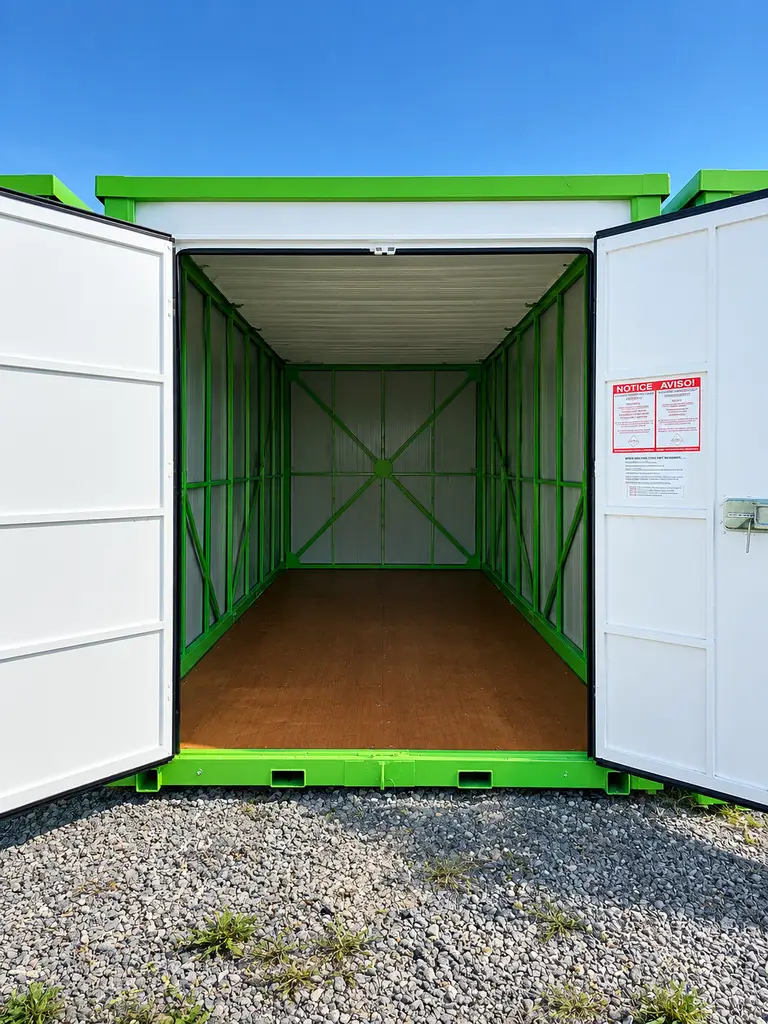
For many households, seasonal storage is not about owning too much. It is about managing items that are useful for only part of the year. Portable storage gives you another option besides filling every closet or making repeated trips to a storage facility. You can load once at your own pace, then keep the container on-site or have it stored securely off-site.
Start Your Seasonal Storage Plan Before You Pack
The fastest way to create more clutter is to pack without deciding what deserves storage. Before pulling out bins and boxes, walk through your garage, shed, basement, closets, and outdoor areas. Separate items into three practical groups: keep in regular use, store for another season, and donate, sell, recycle, or discard.
Be honest about what you used last year. A snowblower that runs well, holiday decorations your family enjoys, and lawn equipment you rely on are reasonable storage candidates. Broken furniture, worn-out sporting goods, and duplicate kitchen items may not be. Storage space is valuable, even when it is conveniently delivered to your property.
It also helps to think in seasons rather than rooms. Your summer items may be spread across the garage, bedrooms, and basement, while winter supplies are tucked into several closets. Gathering like items first makes it easier to see how much space you actually need and prevents a few boxes from being forgotten until next year.
Seasonal Storage Guide: Pack for Protection and Access
Good packing protects your belongings, but smart packing also keeps them usable. You should be able to find a winter coat when the weather changes suddenly without unloading half your storage space.
Use sturdy, clearly labeled containers for smaller items. Clear bins work well for supplies you may need to identify quickly, while solid plastic totes can better block dust and moisture for less frequently used belongings. Cardboard boxes are fine for dry, lightweight items, but they are less dependable for long-term storage or heavier loads.
Before storing anything, clean and dry it completely. This matters for patio cushions, camping equipment, sports gear, seasonal clothing, and holiday décor. Dirt, food residue, and trapped moisture can lead to odors, pests, mildew, or stains by the time the next season arrives.
When labeling, skip vague notes like “garage” or “miscellaneous.” Label each container by category and season, such as “Winter boots – adult,” “Fall décor,” or “Camping kitchen.” Put labels on more than one side so they remain visible after stacking. A simple phone note or paper inventory can save time later, especially if several family members use the storage space.
For a practical packing order, keep these items closest to the container door:
- Weather-dependent items you may need early or unexpectedly
- Tools and supplies used for home maintenance
- Seasonal clothing for the next transition
- Frequently used sports or recreation equipment
- A labeled aisle or access path for reaching items in the back
Heavy items belong on the floor, with lighter boxes stacked above them. Avoid building tall, unstable towers, and do not press furniture or boxes tightly against the container walls. Leave a little room for airflow and access. If you are storing a mattress or upholstered furniture, use protective covers and keep pieces elevated where possible.
Rotate by Season, Not by Emergency
Seasonal storage works best when it becomes part of your routine. Instead of waiting until the garage is impassable or a move forces a rushed cleanup, set a regular rotation date in spring and fall. These are natural points to exchange winter and summer items, assess what you no longer need, and update your inventory.
Spring is a good time to store snow shovels, winter tires, heavy coats, holiday decorations, and cold-weather sports equipment. It is also when patio furniture, gardening supplies, bicycles, and outdoor toys need to come forward. In fall, reverse the process before colder weather makes the job less pleasant.
The trade-off is access. If you expect to use an item every week, it probably belongs in a garage, closet, or other convenient spot rather than deep in storage. Storage is most effective for things that are valuable and useful but not needed daily. A portable container can make this easier because you can decide whether on-site access or off-site space matters more for your household at that time.
When On-Site Storage Makes Sense
Keeping a storage container at your property is useful when the season is changing gradually or you are working through a larger project. Maybe you are clearing a garage before a renovation, staging a home for sale, or making room for visiting family. With on-site storage, you can add and remove items as your plans change without driving back and forth to a facility.
This option is especially helpful for homeowners who want their tools, furniture, or seasonal equipment nearby. It can also work well for contractors and small businesses that need secure, weather-tight storage at a jobsite. The key is placement. A container needs to sit level and in a location that does not interfere with daily parking, deliveries, or access to the home.
For tighter properties, traditional container delivery can create challenges. Storbox Mobile uses a Mule placement system that keeps containers level during placement and allows operators to position them carefully around narrow driveways, turns, and limited spaces. That can be a major advantage when you need storage close by but do not have a wide, straight approach.
When Off-Site Storage Is the Better Choice
Off-site storage is often the better fit when your main goal is to reclaim space completely. If you are downsizing, preparing a property for sale, dealing with an extended renovation, or simply tired of losing garage space to seasonal items, having the container picked up can provide a cleaner reset.
It is also a good choice for belongings you will not need until next season. Once your container is loaded, there is no need to unload it into a second unit. That eliminates repeated handling, reduces the chance of damage, and saves time compared with renting a truck and moving everything twice.
Think about your access needs before choosing. Off-site storage is ideal for long stretches when you do not need the contents. On-site storage gives you more flexibility for ongoing sorting or projects. There is no single right answer, and a good storage plan can change as your household changes.
Avoid the Most Common Seasonal Storage Mistakes
A few small mistakes can turn seasonal storage into an expensive, frustrating task. The first is storing items wet or dirty. The second is packing every available inch with no path to reach important boxes. The third is failing to label containers clearly, which leads to unnecessary searching and duplicate purchases.
Another common problem is treating storage as a permanent hiding place. Review your contents at least once a year. If you have not used an item for several seasons and do not expect to, it may be time to pass it along. Keeping only what serves your home makes every square foot work harder.
Finally, choose a storage option based on your real schedule, not just the lowest advertised monthly rate. A cheaper unit can cost more in time and effort if it requires truck rentals, multiple loading days, or inconvenient access. Flexible delivery, level loading, and the ability to pack on your own schedule can make the entire process easier.
A well-organized seasonal setup gives your home room to breathe. Start with the items that are in your way right now, pack them with next season in mind, and choose storage that fits your property and your routine. The payoff is simple: less clutter today and fewer frantic searches when the weather changes.
