A storage container should protect your belongings from rain, snow, wind, and road dust – not leave you worrying every time the forecast changes. So, can storage containers leak? Poorly maintained or damaged containers can let in water or moisture. A well-built, weather-tight container that is inspected before delivery should keep normal weather outside where it belongs.
The key is understanding the difference between a container that looks solid and one that is truly ready for storage. The condition of the roof, doors, seals, floor, and placement all affect how dry your belongings stay. A few smart packing choices give you another layer of protection, especially when storing furniture, boxes, business inventory, or renovation materials for more than a few weeks.
Can Storage Containers Leak in Heavy Rain?
They can, but heavy rain alone should not cause a leak in a properly maintained storage container. Most leaks happen because water finds a weak point: a damaged door gasket, a bent door, a puncture in the roof, corroded metal, or an opening that was not fully closed.
Roof damage is a common concern because it is not always visible from ground level. A container may appear fine at the doors while a small dent, crack, or rusted spot on top collects rainwater. Over time, standing water can expose weak areas. That is why reputable portable storage providers inspect units between rentals rather than simply delivering the next available container.
Door seals matter just as much. Storage container doors are designed to close tightly, but the rubber gaskets need to be clean, flexible, and intact. If a seal is torn or the doors are forced shut around an obstruction, wind-driven rain may find its way inside.
There is also a difference between a water leak and condensation. If you see moisture inside a container after a major temperature swing, it may not mean rain got in. Condensation forms when humid air is trapped inside and meets a cooler metal surface. It is manageable, but it calls for different packing and ventilation decisions than a true leak.
What Makes a Storage Container Weather-Tight?
A weather-tight container is built and maintained to keep ordinary outdoor weather from entering. It is not a promise that every item can be stored carelessly in any condition, and it should not be confused with climate-controlled indoor storage. Still, for most household moves, renovations, and jobsite storage needs, a quality weather-tight unit provides dependable protection.
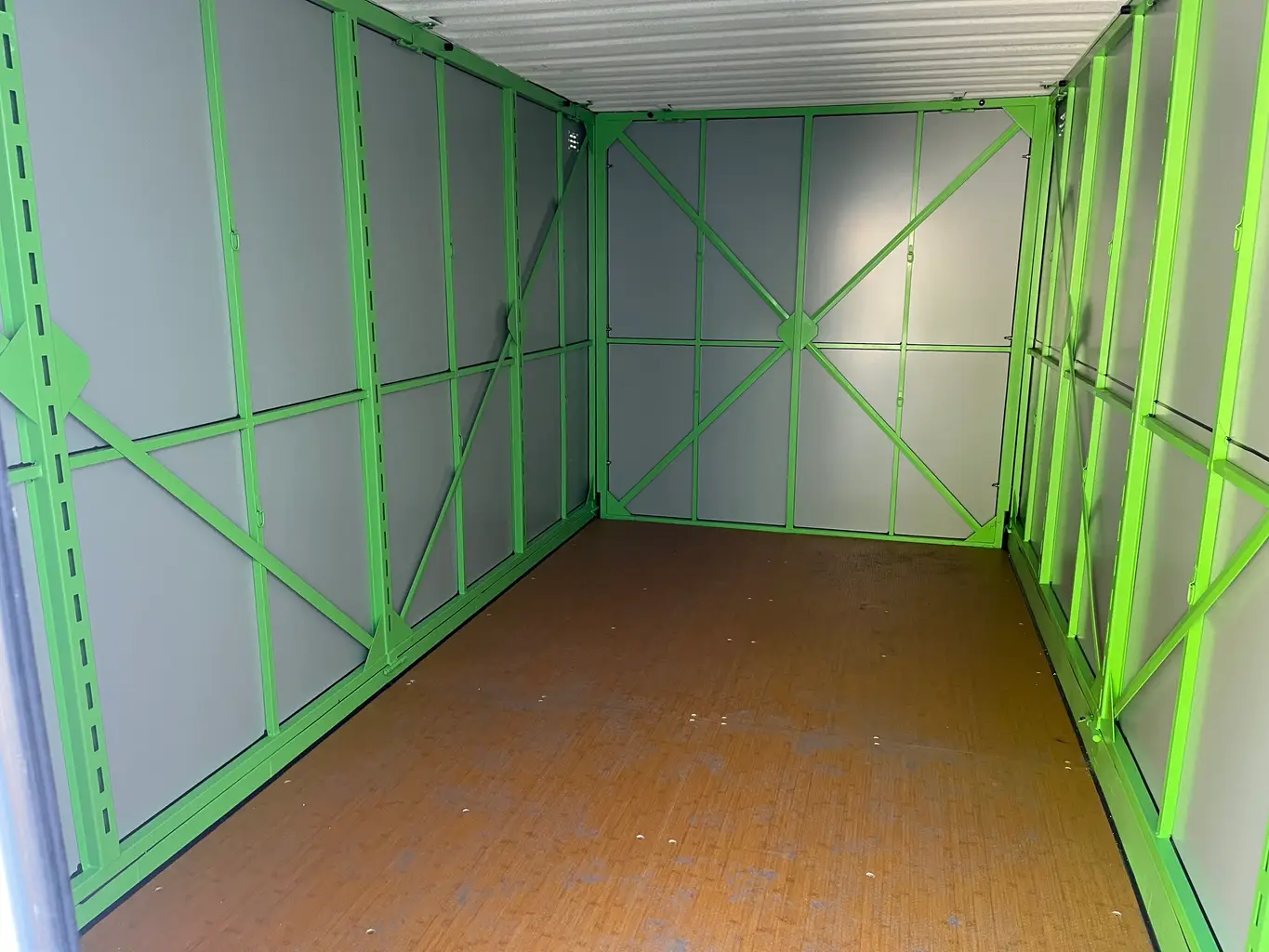
Look for a provider that checks the container roof, walls, corners, floor, doors, locking hardware, and door gaskets before delivery. The floor should be sound and dry, with no soft areas or visible damage. Doors should open and close without excessive force, then sit flush when locked.
Placement also plays a part. A unit set level on firm ground allows the doors to operate properly and helps prevent water from pooling near the entrance. Portable units can be placed in driveways, yards, or jobsites, but the surface should be as level and stable as possible. If you have concerns about a sloped drive or soft ground, raise them before delivery so the placement plan can be adjusted.
At Storbox Mobile, containers are delivered at ground level, making it easier to load carefully and keep your belongings organized. A level loading experience is not only easier on your back – it also helps you avoid cramming items against the doors or damaging seals while loading.
Moisture Can Still Be a Risk Without a Leak
The biggest surprise for many customers is that dry walls and a dry floor do not always mean zero moisture risk. Moisture can come in with the items you load.
A wet patio chair, snow-covered shovel, damp moving blanket, or box left outside during rain can release moisture after the doors are closed. Humidity can also be trapped inside when loading on a warm, damp day. As temperatures change overnight, that moisture can condense on metal surfaces.
This does not mean you need to avoid portable storage during rainy or cold weather. It means you should load with conditions in mind. Let wet items dry first whenever possible. Avoid storing loose soil, freshly watered plants, or containers holding liquids. If you are packing after rain, wipe down outdoor equipment and check the bottoms of boxes before bringing them inside.
For longer storage periods, leave a little space between belongings and the container walls. This supports airflow and makes it easier to spot any issue early. You do not need to leave large empty gaps, but furniture and boxes should not be packed tightly against every metal surface.
How to Pack a Storage Container to Keep Items Dry
Good packing is simple, and it protects your belongings from more than moisture. Start with sturdy boxes in good condition. Weak cardboard can absorb humidity from the ground or collapse if it is carrying too much weight. Place heavier boxes on the bottom and avoid overfilling them.
Keep your items off the floor when practical, particularly if you are storing for a longer period. Pallets, shelving, furniture dollies, or a clean tarp beneath boxes can create a useful barrier. Do not wrap the entire floor in plastic if it could trap moisture underneath. The goal is to keep items clean, dry, and slightly elevated, not to seal in humidity.
Use breathable moving blankets for furniture and mattresses rather than wrapping everything tightly in plastic for months. Plastic can be useful as a short-term protective layer during a move, but long-term airtight wrapping may trap moisture against wood, fabric, or leather. If you use plastic covers, make sure the item is completely dry first.
Electronics, photos, papers, and other sensitive items deserve extra care. Pack them in sealed plastic totes or strong boxes, and avoid placing them directly near container walls. For valuable documents, irreplaceable photographs, or temperature-sensitive equipment, climate-controlled storage may be the better option depending on the season and how long you need storage.
A few simple habits make the biggest difference:
- Load only clean, dry belongings.
- Keep boxes and furniture slightly off the floor when possible.
- Leave a small airflow gap along walls and near the doors.
- Store liquids, chemicals, and fuel-powered equipment elsewhere unless they are approved, empty, and safely prepared.
- Close and lock the doors fully every time you access the unit.
Check the Container Before You Load
Before moving in, take a quick look inside. Check for visible water, damp flooring, unusual odors, daylight coming through the roof or walls, and damaged door seals. A dry, clean unit with doors that close properly is what you want to see.
If anything seems off, contact the provider before loading. It is much easier to address a concern with an empty container than after your household is packed inside. Take a few photos of your belongings as you load as well. This helps you remember where things are placed and provides a useful record during a busy move or renovation.
Once loaded, do a final door check. Make sure nothing is pressing into the door frame, blocking the locking bars, or preventing the gaskets from sealing evenly. This is especially important with tall furniture, stacked boxes, and construction supplies.
When Climate Control May Be Worth Considering
Weather-tight portable storage works well for many common needs: moving between homes, storing furniture during renovations, holding seasonal items, staging a house for sale, or keeping tools and materials close to a jobsite. But some belongings have special requirements.
Consider climate-controlled storage for fine art, antiques, musical instruments, delicate collectibles, certain electronics, important archives, or items that will be stored through extended periods of high heat, deep cold, or humidity. The right choice depends on the value of the item, its material, and how long you expect to store it.
For everything else, a clean, inspected, weather-tight container and thoughtful packing offer practical protection without the hassle of loading a truck, unloading at a facility, and loading again later.
The best way to keep your belongings dry is to start with a container you trust, load only dry items, and speak up before delivery if your site has drainage or placement concerns. A little preparation gives you the convenience of storage where you want it, when you want it, with far less to worry about when the weather turns.
