A move rarely goes exactly according to plan. Closing dates shift, contractors need another week, and that spare bedroom turns into a staging area overnight. In those moments, people reasonably ask: can containers protect belongings as well as a storage unit or a room at home? The answer is yes, provided the container is weather-tight, properly placed, and packed with care.
A quality portable storage container gives furniture, boxes, business inventory, and renovation materials a protected place to stay while life is in motion. It keeps your belongings together, lets you load at ground level, and avoids the repeated loading and unloading that can cause avoidable damage. Still, a container is not a magic shield. What you store, how you pack it, and where the unit is placed all matter.
Can Containers Protect Belongings in Every Season?
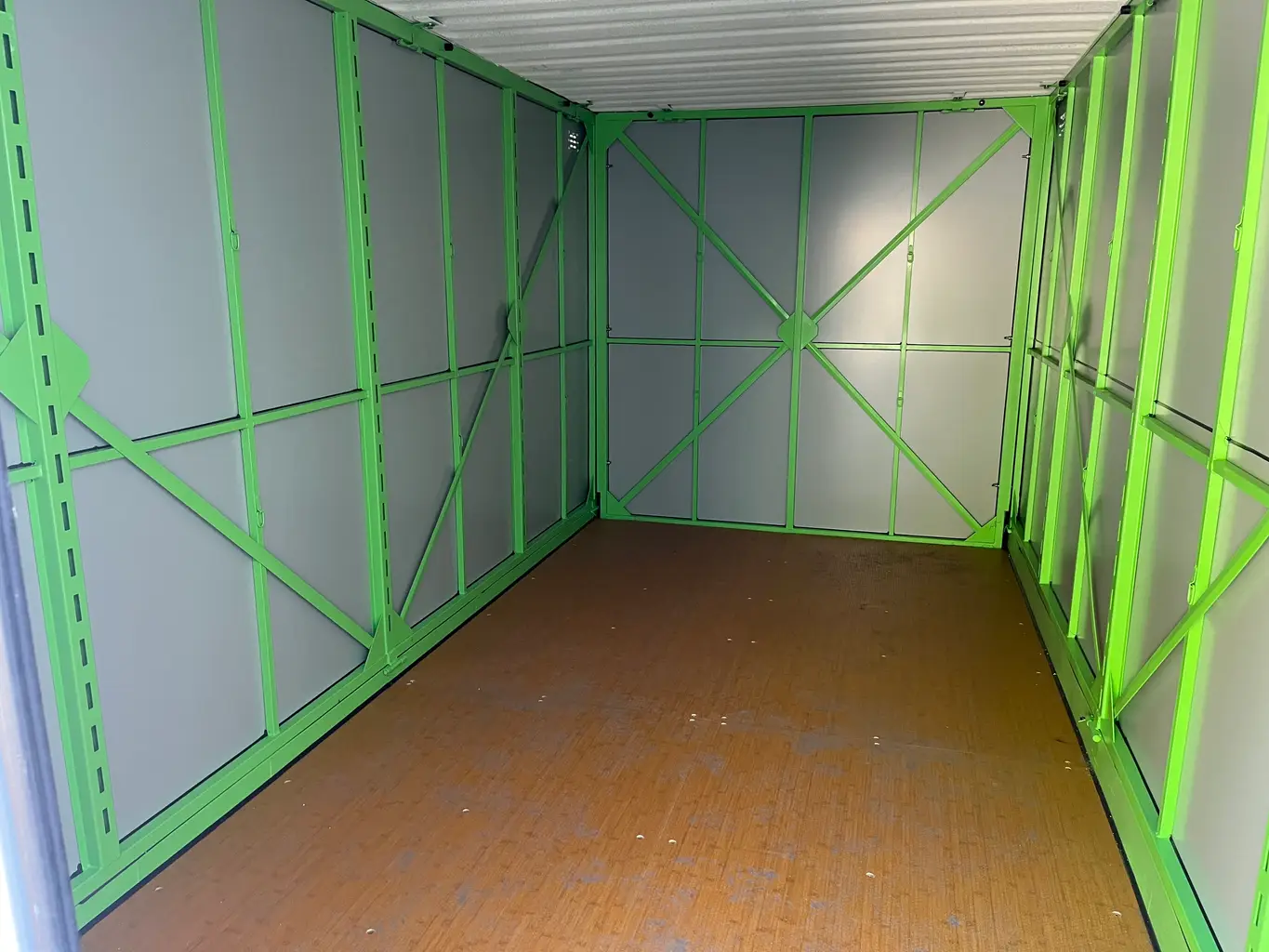
A well-maintained storage container is built to protect items from the conditions that cause the most common storage problems: rain, snow, wind, dust, and direct exposure outdoors. Weather-tight walls and doors are the starting point. When the container is closed and secured, your belongings are not sitting under a tarp, in a damp garage, or exposed in the back of a truck.
That protection is especially useful during a renovation. Furniture can stay out of the work zone instead of being squeezed into another room where it may collect drywall dust, get bumped by tools, or be splashed during painting. For a move, you can pack gradually rather than rushing everything into a rental truck in a single day. Less rushing usually means fewer dropped boxes, scraped tables, and broken items.
Portable storage also keeps belongings off the ground. That matters during wet weather and on active jobsites, where moisture and mud can quickly become a problem. A level placement helps the unit sit properly and makes loading safer. At Storbox Mobile, containers are delivered at ground level using a mule unit placement system, so customers can load without carrying heavy items up a steep ramp or into a truck bed.
There are limits to understand. Standard portable containers are not climate-controlled. Extreme heat, prolonged humidity, and freezing temperatures can affect sensitive belongings such as antiques, artwork, wine, certain electronics, photographs, musical instruments, and some wooden furniture. These items may need a climate-controlled option or a different storage plan, particularly for long-term storage.
Protection Starts With How You Pack
Even the best container cannot prevent damage caused by loose, unprotected packing. Think of the container as the secure outer layer. Your packing choices create the protection inside it.
Use sturdy boxes that close completely, and avoid mixing very heavy and fragile items in the same box. Mark fragile boxes clearly, but do more than label them: place them on top of stable, heavier boxes rather than near the door or at the bottom of a stack. Fill empty space in boxes with packing paper, towels, or other cushioning so contents cannot shift.
Furniture deserves the same attention. Wrap wood and upholstered pieces in moving blankets or furniture pads to prevent scuffs and rubbing. Cover mattresses with fitted protective bags. Disassemble bed frames, tables, and shelving where practical, keeping hardware in labeled bags taped securely to the matching item. Large mirrors, glass tabletops, and framed art should be wrapped, stored upright, and secured so they cannot tip.
Inside the container, build a balanced load. Put heavier items low and distribute weight from side to side. Keep a clear path to the back if you may need access later. Use tie-down straps to secure tall or bulky pieces, and do not stack boxes higher than they can safely support. It takes a little longer on moving day, but it can save you from opening the door later to find a leaning pile of boxes.
For added peace of mind, keep a small aisle near the front or center for items you may need during storage. Seasonal clothing, business files, renovation supplies, or a child’s favorite furniture do not need to be buried behind everything else.
Security Matters as Much as Weather Protection
A closed container is more secure than leaving belongings in a driveway, garage, or open trailer, but security still depends on smart habits. Use a strong, weather-resistant lock designed for outdoor storage. Do not leave the key or combination where it can be easily found, and keep an inventory of what you store. Photos taken before loading can be useful for organization and insurance purposes.
If the container remains at your property, choose a visible, accessible location that does not block entrances, emergency access, or regular business operations. Good exterior lighting and a clear line of sight from the home or office can add another layer of deterrence.
For customers who do not have room on-site or who prefer their belongings stored elsewhere, pickup and storage at a secure facility can be a practical choice. This is particularly helpful between homes, during an extended renovation, or when selling a property. You pack once, the container is picked up, and your items remain together until you are ready for delivery.
Do not store hazardous or prohibited materials in a portable container. Fuel, propane tanks, chemicals, paint thinners, explosives, and other flammable or dangerous products create safety risks for your belongings and everyone around the unit. When in doubt, ask your storage provider before loading it.
When a Portable Container Is the Better Choice
Portable storage is most useful when control over your schedule matters. A traditional storage facility may require several car or truck trips, plus a separate rental truck for moving larger furniture. That means loading at home, unloading at the facility, then loading and unloading again when it is time to move. Every transfer is another opportunity for damage.
With a delivered container, you can often load once and keep your belongings in the same unit whether it stays on-site or goes to storage. This can be a major advantage for families managing a staggered move, homeowners clearing rooms before listing a house, or contractors protecting tools and materials near a jobsite.
It is also a practical option for small businesses. Extra inventory, seasonal displays, office furniture, and equipment can stay close to the business without taking over valuable floor space. The right placement matters here: employees need room to work, customers need safe access, and the container should not interfere with deliveries.
A portable container may not be the right fit if you need frequent daily access to a large number of individual items, require climate control, or have property restrictions that prevent delivery. Before booking, confirm the available space, surface conditions, access route, and any local rules that could affect placement. A straightforward conversation before delivery prevents surprises later.
Simple Steps for Safer Container Storage
Start by deciding what truly needs to be stored and what should be donated, sold, recycled, or moved directly to its final room. Less clutter means fewer boxes to manage and a safer load. Then group items by room or purpose, label each box on more than one side, and keep a basic inventory in your phone or notebook.
Before loading, make sure furniture is clean and dry. Never store damp textiles, wet tools, or boxes that have been left in the rain. Moisture trapped inside packaging can lead to odors, mildew, or warped materials even when the container itself is weather-tight.
Finally, give yourself enough time. The convenience of portable storage is that you can pack at a sensible pace instead of turning one day into a race against a truck return deadline. That extra breathing room is often the real protection for fragile belongings and for the people moving them.
When you need space for a move, renovation, or business project, choose a container that is delivered where you need it, when you need it. Pack thoughtfully, secure the load, and you can keep your belongings protected while the rest of the project comes together.
