A storage plan stops feeling convenient the moment you have to rent a truck, load everything, drive to a facility, unload it, then repeat the process weeks later. The real secure container storage benefits come from keeping your belongings protected while putting the container where the work is happening – at your home, business, or jobsite.
For a family between homes, that can mean packing room by room without filling the garage. For a contractor, it can mean keeping materials close instead of making daily trips to retrieve tools. Mobile storage is not the right fit for every situation, but when access, timing, and reduced handling matter, it can remove a lot of unnecessary stress.
1. Your belongings are loaded fewer times
Every time an item is moved, it faces another chance of being dropped, scratched, misplaced, or damaged. Traditional self-storage often requires several separate moves: into a truck, out of the truck at the storage facility, back into a truck later, and finally into the new location.
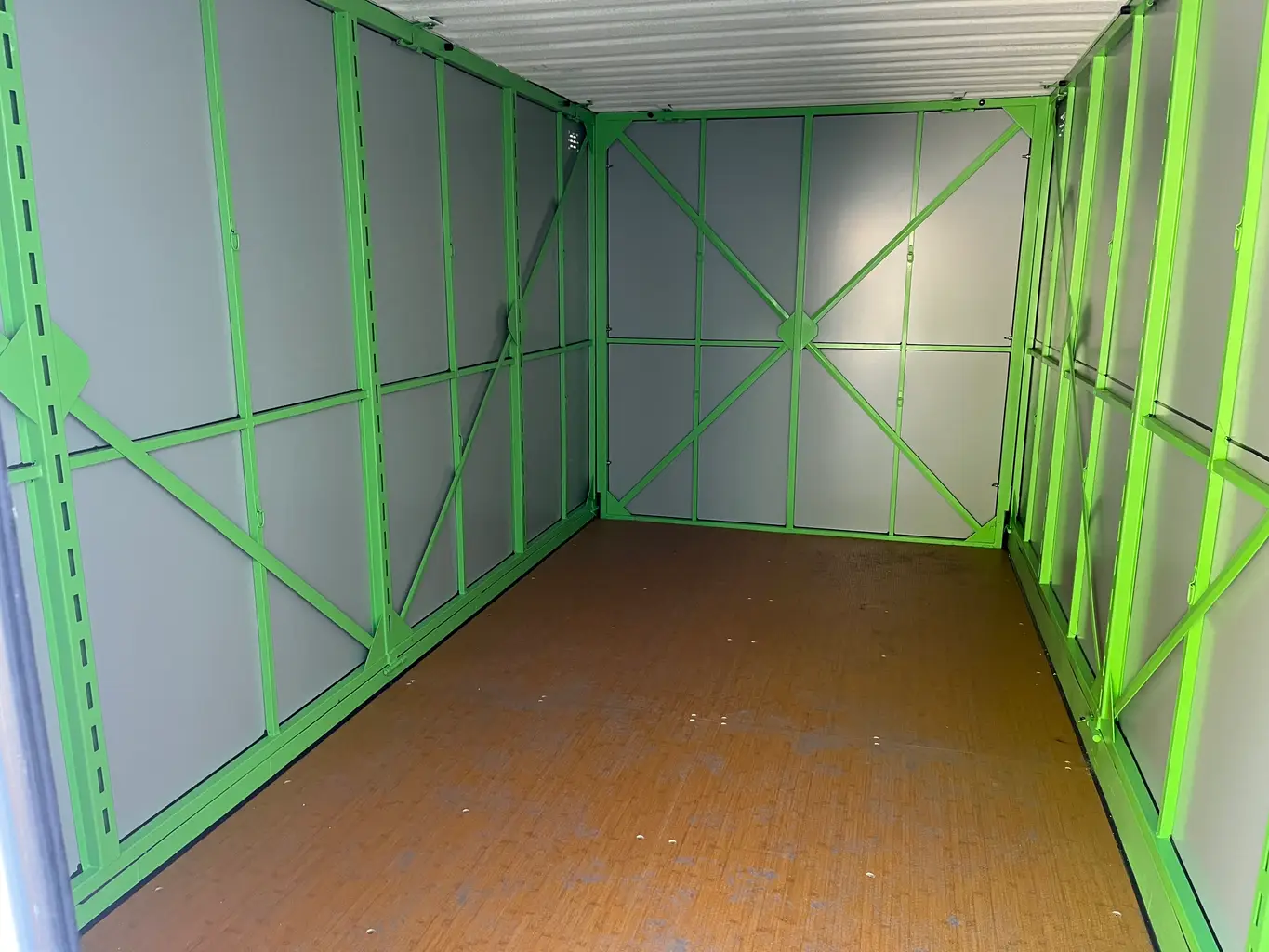
With a portable container, you load once at ground level. If you need off-site storage, the loaded container can be picked up and stored without requiring you to unload and reload your belongings. That matters for heavy furniture, appliances, boxed household goods, and business inventory that would otherwise be handled repeatedly.
Fewer loading cycles also make planning easier. You can pack carefully as you go rather than rushing to finish a truck rental before the clock runs out.
2. Ground-level loading is safer and easier
A raised truck bed, loading ramp, and tight rental deadline can turn moving day into a physical challenge. Ground-level container loading gives you a more practical way to move large or awkward items. Carts, dollies, and helping hands can move items directly into the container without working around a steep ramp.
This is especially helpful during renovations and downsizing projects. You may be moving furniture out one room at a time, sorting what to keep, and waiting for decisions from family members. A container at your property gives you the time and space to do that work at a reasonable pace.
The container still needs to be packed properly. Place heavier items low and toward the front, distribute weight evenly, protect furniture with moving blankets, and secure taller items so they cannot shift. Convenience works best when it is paired with careful loading.
3. Security stays close to home or work
One of the most practical secure container storage benefits is control. When a unit is placed on your property, you can see it, access it when needed, and keep important items within reach without leaving the site.
That can be valuable for a remodel where tools and supplies are needed throughout the week. It can also help small businesses manage seasonal inventory, files, event equipment, or furniture while freeing up indoor workspace. Instead of crowding a back room or leaving materials exposed around a jobsite, there is a dedicated place to keep them.
Security is not one single feature. It is a combination of a weather-tight container, a quality lock, smart placement, and good packing habits. Do not store cash, irreplaceable documents, hazardous materials, or items prohibited by your rental agreement. If you are storing valuable equipment, ask about the best location for the container and use a heavy-duty lock designed for storage use.
4. Weather-tight storage protects the things you cannot replace easily
Rain, snow, wind, dust, and changing temperatures can cause problems when belongings are left in a garage, on a covered porch, or under a tarp. A weather-tight storage container provides a more dependable barrier while your home or work area is in transition.
For household storage, this is useful for mattresses, furniture, boxed kitchen items, books, and seasonal belongings. For businesses and contractors, it helps protect tools, supplies, fixtures, and materials that should not sit out in the elements.
Weather-tight does not mean you should ignore moisture control. Avoid loading wet items, allow damp equipment to dry first, and use breathable moving blankets rather than wrapping everything tightly in plastic. Leave a small amount of airflow around stored goods where possible. These simple steps help keep the container organized and your belongings in better condition during storage.
5. The container can go where space is available
A portable storage container only works if it can be placed where you actually need it. Tight driveways, narrow side areas, slopes, trees, parked vehicles, and downtown properties can make conventional container delivery difficult.
Storbox Mobile uses a Superior Mule Placement System to keep the container level during placement and position it precisely in confined spaces. Rather than requiring a long, straight truck approach, the operator can walk the unit into place. That helps reduce placement limitations and makes ground-level access possible in locations where a standard roll-off delivery may not work well.
Before delivery, measure the planned space and clear overhead branches, vehicles, and other obstacles. If your property has a steep grade, soft ground, or limited turning room, mention it when requesting a quote. A quick conversation before delivery can prevent surprises and help identify the best placement option.
6. You get time without paying for a rushed move
Moving dates rarely line up perfectly. Closing dates change, renovations run longer than expected, tenants need extra time, and family schedules do not always cooperate. A mobile container gives you a practical buffer between one stage and the next.
You can load over several days or weeks instead of trying to complete the entire move in one exhausting weekend. When you are ready, choose on-site storage for continued access or arrange pickup for storage at a secure facility. This flexibility is useful when a new home is not ready, when flooring is being replaced, or when you want to declutter before listing a property for sale.
There is a trade-off. If you need daily access to items after the container has been picked up, on-site storage may be the better choice. If the container is stored off-site, make sure you understand how access is arranged before deciding. The right option depends on whether convenience at your property or freeing up your driveway matters more.
7. It creates room to make better decisions
Storage is not just about boxes. It is about creating breathing room when life gets crowded. During a home sale, removing excess furniture can help rooms look larger and more usable. During a renovation, clearing a kitchen or living room protects belongings and gives workers room to do their jobs. During a business expansion, temporary storage can prevent inventory from taking over every available corner.
That extra space often leads to better decisions. You can sort items without pressure, donate what no longer fits your life, and set aside belongings that will be needed later. Rather than making a rushed choice because the garage is overflowing, you have a secure, organized place to keep things while plans come together.
When mobile container storage makes the most sense
Portable storage is a strong option when you need temporary space at your location, want to avoid multiple loading cycles, or have a move that will happen in stages. It is particularly useful for renovations, home staging, downsizing, local moves, construction projects, and seasonal business storage.
It may be less suitable if your property has no safe placement area, local rules restrict container placement, or you need constant access after the unit is moved to off-site storage. A reliable provider should be direct about those details instead of treating every job the same.
For homeowners and businesses in Belleville, Prince Edward County, and the surrounding area, the best storage choice is usually the one that fits the real work in front of you. Ask about delivery access, container size, rental timing, storage options, and placement before booking. A little planning at the start can give you protected space, a calmer schedule, and one less problem to manage when everything else is changing.
